Lover

Trust can include private conversations, separate devices, and locations you do not track. It grows from reliable behavior and repair, while each person keeps some private space.
What trust is built from
Trust becomes more realistic when it is attached to observable patterns: someone does what they said they would do, tells you when plans change, answers reasonable questions, and takes responsibility after a mistake. These behaviors do not guarantee the future. They give you evidence about the present.
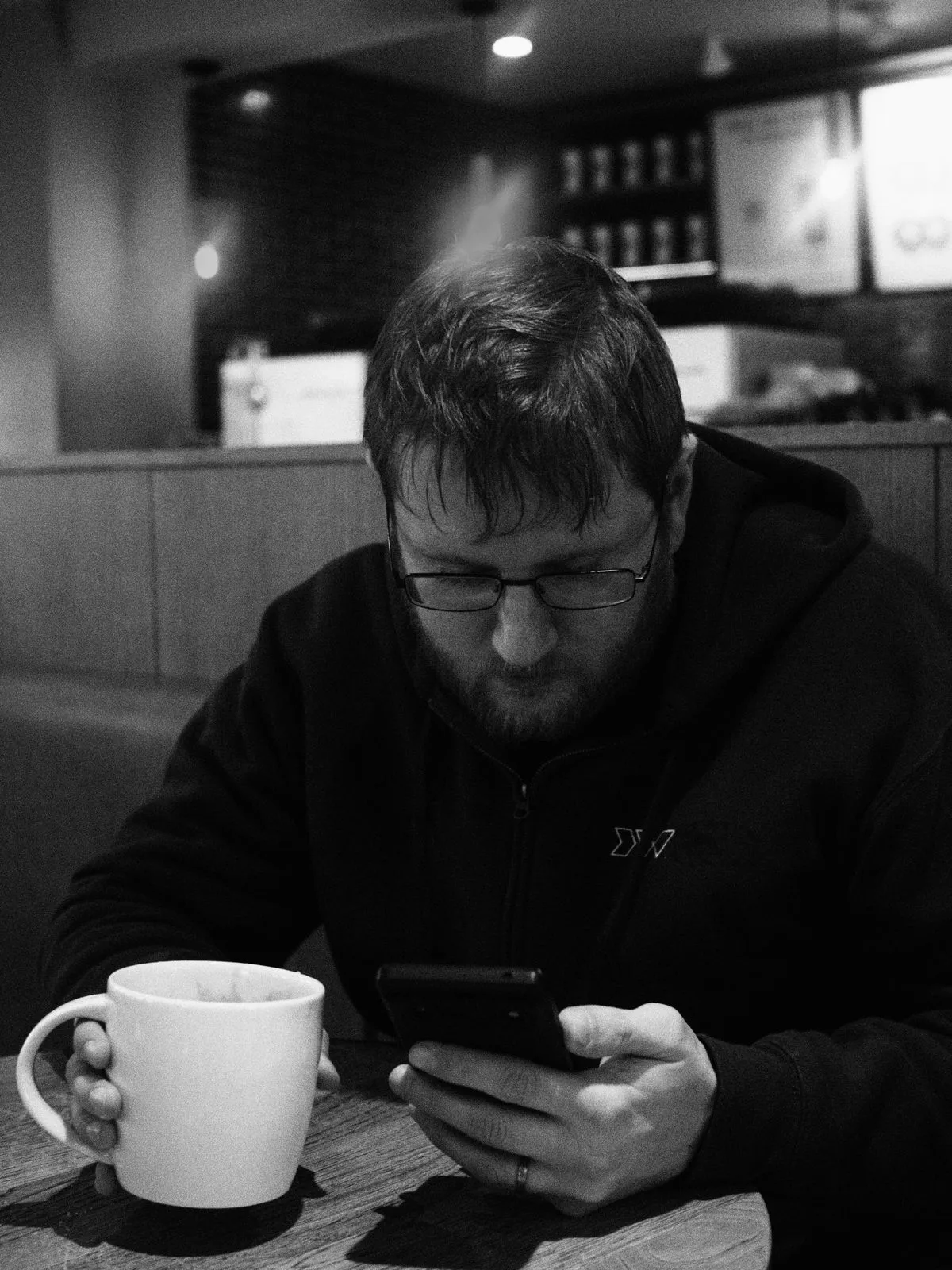
Checking a phone can create a temporary drop in anxiety, but it cannot answer every question or prevent someone from choosing dishonesty. It can also turn privacy into a test, make ordinary independence look suspicious, and move the relationship toward policing instead of communication.
If there has been a real breach of trust, the answer is not to pretend everything is fine. Ask for specific repair: what happened, what impact it had, what will change, and how you will know the change is happening. Surveillance is a poor substitute for a repair agreement.
Replace checking with a direct conversation
Name the trigger
"I noticed you became unavailable after saying you would call, and I felt uncertain." Describe the event without starting with a character verdict.
Ask the relevant question
Ask what you actually need to know: "Did something change?" or "Are we still following the agreement about dating other people?"
State your boundary
"I am not comfortable continuing a relationship where plans disappear without explanation." A boundary describes your action, not a command to surrender privacy.
Watch the response over time
One reassuring conversation is not the same as consistent repair. Notice whether words and behavior line up without turning yourself into an investigator.
What can remain private
Digital life
A phone is not a shared organ
Passwords, private messages, and personal notes can remain individual. Openness about relationship-relevant facts does not require reading every conversation.
Location
Safety is not constant tracking
Share plans when practical, especially for logistics or safety, but a relationship does not need a live map to prove care.
Friendships
Separate support matters
A partner can have friends and confidants. Ask for agreements around secrecy or flirtation when relevant, not ownership of every relationship.
Transparency versus surveillance
Transparency
Information is shared because it affects a mutual agreement.
- We discuss exclusivity directly.
- We explain changes that affect plans.
- We answer questions without humiliation.
Surveillance
Access is demanded to manage fear or control the other person.
- A phone check becomes a condition of love.
- Location is monitored without agreement.
- Privacy is treated as evidence of guilt.
When anxiety asks you to investigate
- What fact triggered this feeling?
- What question would actually answer it?
- Have I asked directly before making a conclusion?
- Is this a current pattern or an old fear?
- What boundary or repair would I need?
Questions about trust and privacy
Is it wrong to look at a partner's phone?
A mutually agreed practical use is different from secret checking or coercive access. The important questions are consent, purpose, and whether the action replaces a direct conversation.
What if they refuse to show me?
Refusal alone is not proof of betrayal. Ask about the behavior that concerns you and decide whether the relationship provides enough honesty and safety for you.
Can trust return after lying?
Sometimes, through clear accountability and consistent change over time. Forgiveness does not require restoring the same access or staying in the relationship.
Trust is a pattern you can observe, discuss, and revise. Give privacy room to exist, ask for information that matters, and let repeated behavior guide your choices.