Lover
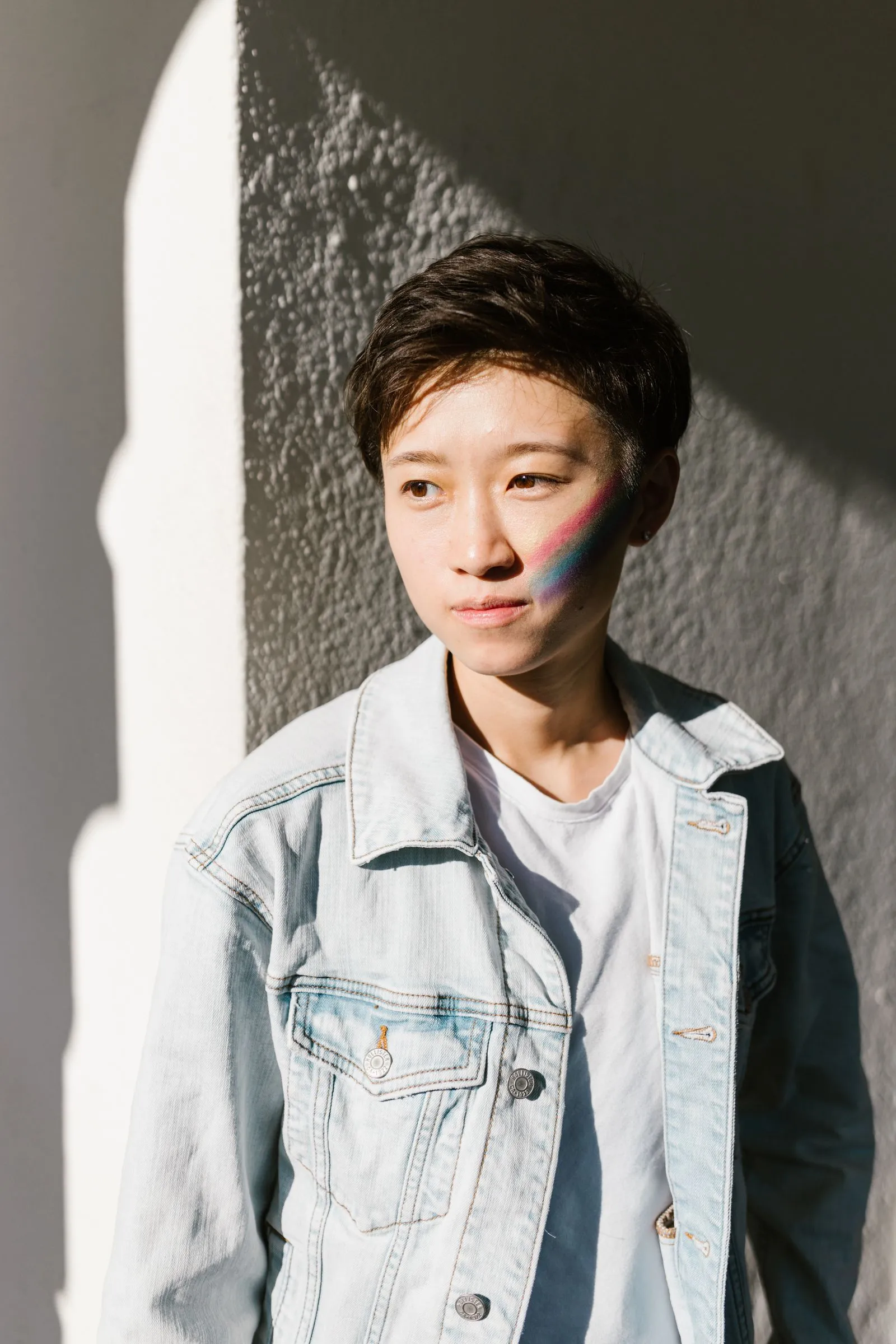
A queer dating profile can be direct, playful, private, or still evolving. Give the people you want to meet enough context to approach you respectfully, and decide for yourself how visible you want to be.
Choose the information that matters for dating
“Queer” can be a meaningful umbrella, a starting point, or not the word you use at all. Some people state an identity plainly. Others share it after a match or only in a safer community. There is no required amount of explanation.
Make practical details visible when they affect compatibility, such as who you date, the relationship structure you want, the pronouns you use, or the pace you prefer. Your identity is not a puzzle or a test of someone else's knowledge.
- Use the words that feel true to you
- State pronouns if you want to make them easy to use
- Describe who you hope to meet without ranking other identities
- Name a boundary around invasive questions
- Check what your photos, location, and linked accounts reveal together
Four useful parts of an affirming profile
Identity
A word you choose
You can be specific, use an umbrella term, or leave identity off the public profile. Do not borrow language that feels like someone else's description of you.
Dating context
Who and what you are open to
Mention the relevant direction, such as women, men, queer people, a committed relationship, casual dates, or exploration. There is no need to turn the profile into a list of exclusions.
Safety
A controlled amount of detail
Avoid combining identity with an exact workplace, daily route, or public account if that makes you easier to target or monitor.
Warmth
A life beyond the label
Show a meal, hobby, place, friend, or small opinion that lets a respectful person meet you as a whole human being.
Keep the profile personal
Affirming
- Uses your own language
- Makes relevant intentions understandable
- Shows joy, boundaries, and ordinary life
- Leaves room for respectful questions later
Performative or unsafe
- Explains every identity for an imagined audience
- Uses stereotypes to seem “legible”
- Shares more location or history than you want public
- Treats attention as proof of acceptance
Build and review the profile in stages
Write the private version first
List everything you might want a partner to know. Then choose the smaller public version that protects your comfort and safety.
Pick one clear identity signal
Use a label, pronouns, a sentence about who you date, or a photo that feels affirming. You do not need to repeat the same information in every field.
Add an everyday invitation
Pair identity context with something concrete, such as “I will always stop for a bookstore cat” or “Looking for someone for gallery afternoons and honest check-ins.”
Prepare a boundary for invasive questions
“I am happy to talk about that after we know each other better” is a complete answer. You can end the chat if the person ignores it.
Check the whole digital picture
Review links, usernames, backgrounds, and public posts together. A profile can be authentic without making every part of your life searchable.
The people you want to reach matter more than the size of the audience.
Before you make your profile public
- The language reflects me rather than an audience's expectations.
- My intentions and relationship context are clear enough to prevent avoidable confusion.
- I have not disclosed more location or personal data than I want to share.
- My profile shows a life and personality beyond identity labels.
- I know what I will do if someone is intrusive, hateful, or unsafe.
A queer profile can be visible without exposing more than you want to share. Use your own language, include the dating context that matters, and keep control of the door.