Lover

Consent is a free, informed, specific, and ongoing choice. Coercion can be quiet: repeated asking, guilt, financial dependence, intoxication, threats to leave, or making a person feel responsible for somebody else’s mood. Knowing the difference helps you protect your boundaries and respect another person’s.
What separates choice from pressure
Consent
- The person can choose freely
- They understand what they are agreeing to
- They can pause or change their mind
- The answer is welcomed without punishment
Coercion
- A no creates guilt, fear, or a consequence
- Information is hidden or misrepresented
- Dependence is used to obtain agreement
- The person keeps asking until resistance wears down
Pressure does not need to sound violent
A person can be pushed without being physically restrained. “If you loved me, you would,” “You already said yes,” “After everything I paid for,” or “I will tell everyone” turns a choice into a transaction. So does blocking the door, taking away transport, threatening self-harm to force compliance, or making a person afraid of what will happen if they disappoint you.
Repeated asking can also become coercive. One request followed by acceptance is different from asking again and again, bargaining, sulking, pretending not to hear, or changing the wording until the other person gives in. Agreement produced by exhaustion is not the same as enthusiastic participation.
Power differences matter. A person may technically say yes while feeling unable to refuse because of money, housing, immigration status, work, age, social isolation, or the other person’s control over a resource. A considerate partner asks whether the choice is genuinely available, not merely audible.
Common forms of pressure
Emotional
Guilt and disappointment
A partner can express a feeling, but using sadness, anger, silence, or accusations to make you comply turns emotion into leverage.
Practical
Dependence and debt
Paying for a date, providing housing, or controlling transport never buys access to somebody’s body or attention.
Digital
Threats involving images or privacy
Demanding intimate content or threatening to publish it is coercive and should be treated as a serious safety issue.
Physical
Blocking or restraining
Preventing someone from leaving, ignoring attempts to move away, or continuing after a person freezes is not consent.
How to make consent easier to recognize
Ask specifically
Name the activity instead of asking a vague “Are you okay?” Specific questions create a real opportunity to answer.
Look for a free yes
A person should be able to say no, pause, or suggest another option without managing your anger.
Check the context
Consider intoxication, sleep, fear, dependency, age, and any information that has been withheld or distorted.
Keep checking in
Consent applies to each activity and can change as the situation changes.
Stop at uncertainty
Silence, freezing, confusion, or a sudden change in energy is a reason to pause and ask, not to continue.
Language for protecting your own boundary
You can say “I do not want that,” “Stop,” “I need to go home,” or “I am changing my mind.” You do not have to make the sentence gentle enough to preserve the other person’s mood. If speaking feels unsafe, move toward other people, contact someone you trust, or use a prearranged signal.
You can also decline without a reason. A reason can invite a negotiation: if you say you are tired, somebody may promise to make it quick; if you say you have an early morning, they may offer a ride. “No” and “I am not comfortable” are complete.
If somebody says you are overreacting, remember that discomfort is not a debate. You are allowed to end an interaction because the way a person responds to your boundary is enough information.
If you are in immediate danger, prioritize getting to a safer place and contacting local emergency services. Support organizations can help with medical, emotional, and legal options afterward.
What to do after a boundary was crossed
Get somewhere you feel safer and contact a trusted person. If there was physical or sexual contact you did not freely choose, consider medical care and a local support service. You can seek help even if you are unsure what to call the experience or remember every detail.
Save messages, threats, dates, and any relevant evidence if doing so does not increase risk. Block the person if you want no further contact. Do not let the need to be “fair” force you into another conversation.
Responsibility belongs to the person who applied pressure or ignored the boundary. Drinking, flirting, going home together, a previous yes, or being in a relationship does not transfer that responsibility to you.
Pressure can appear before anything sexual
Coercion may begin with smaller decisions: choosing the venue, demanding access to your phone, insisting on a ride, or making you cancel plans with friends. None of these automatically proves abuse, but a pattern of removing your options matters. A relationship becomes less safe when one person treats the other’s independence as disloyalty.
Watch for conditional kindness. A person may pay for dinner and later say you owe them time, intimacy, a reply, or a private visit. Gifts and generosity are not contracts. You can appreciate something and still say no to what the giver wants next.
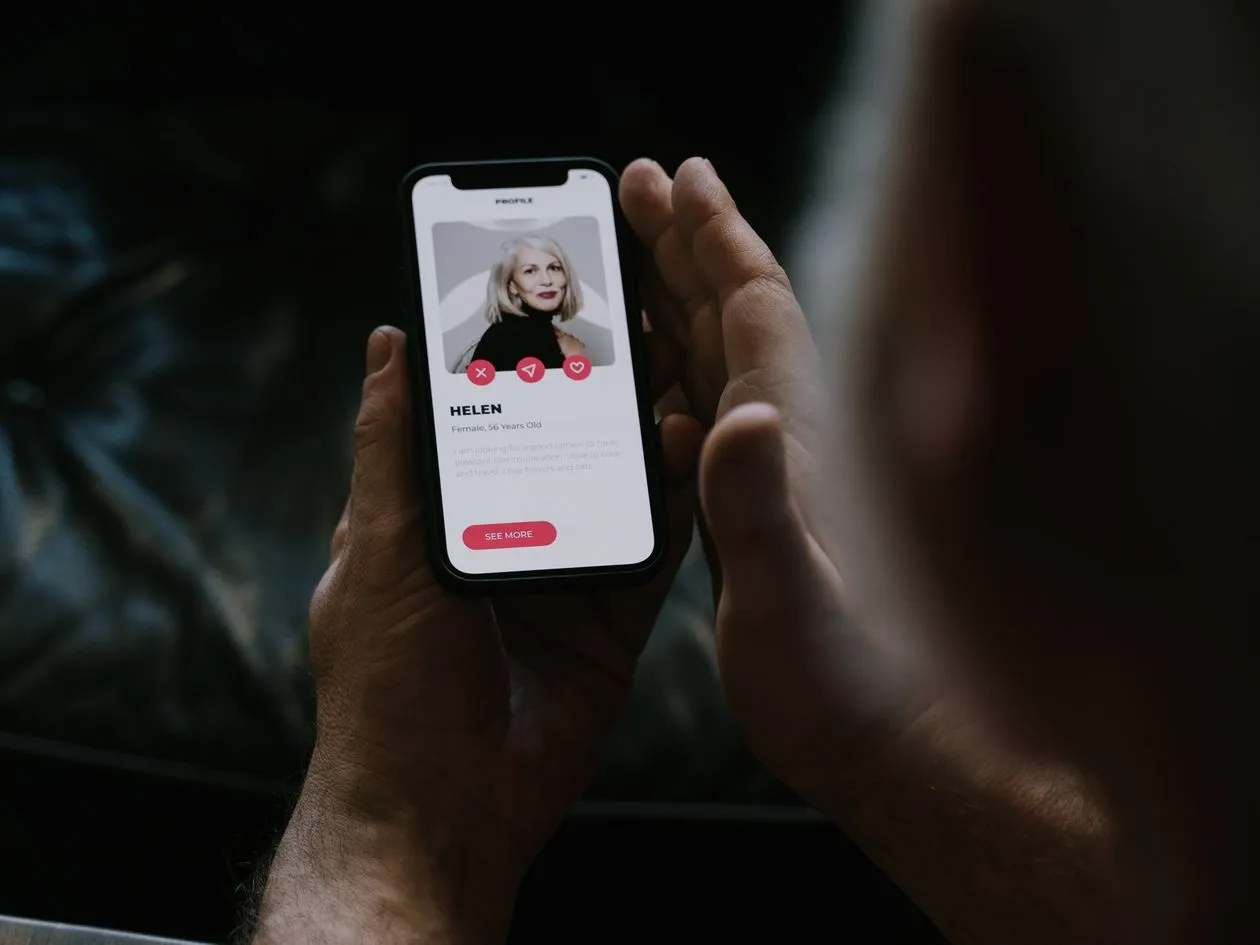
Digital pressure counts too. A match may demand a live photo, sexual video, location, or password, then threaten to unmatch or expose you. You can stop responding, preserve the messages, and report the account.
Sometimes the pressure is disguised as certainty: “You know you want this,” “You are just shy,” or “I can tell from your body.” The other person does not get to interpret your hesitation as permission. Ask, listen, and accept the answer you receive.
A caring partner makes room for your separate friendships, money, schedule, and privacy. They may want closeness, but they do not need control to feel chosen.
Useful boundary language
Pause
“I need a minute”
You can stop the pace without explaining what you will decide next.
No
“That does not work for me”
A boundary can be clear without proving that the other person is bad.
Exit
“I am leaving now”
When you feel unsafe, announce less and move toward people, staff, or a trusted contact.
Digital
“I do not send that”
Refuse intimate images, codes, documents, and location details without negotiation.
Support can help you name what happened
People often minimize pressure because there was no visible struggle, because they eventually said yes, or because the person was a partner. A confidential advocate, clinician, or counselor can help you describe the event without forcing a label. You deserve support even when the memory feels incomplete or complicated.
If you are helping a friend, believe them, ask what they need, and avoid questions that imply blame. Offer practical choices such as transport, a safe place, medical care, or help preserving messages. Do not contact the other person on their behalf unless they ask and it is safe.
Consent is a practice, not a formality
Good consent is not a single question asked once. It is a shared habit of noticing, asking, listening, and adjusting. A partner can say yes to kissing and no to sex, yes to one act and no to another, or yes now and no five minutes later. The details matter because the person remains a participant rather than a source of access.
Make it easy to answer. Ask when there is time to think, not while blocking an exit or holding somebody’s clothes. Accept a short answer and do not demand a justification. A person who wants to continue freely should not have to manage the other person’s disappointment first.
If you are uncertain about someone else’s capacity, stop and wait. Alcohol, drugs, sleep, fear, illness, age, and severe distress can change the situation. The safest response is care and clarity, not an attempt to interpret silence in your favor.
If you are uncertain about your own boundary, move toward support. Call a friend, ask staff for help, or leave. You can decide what the experience means later.
A respectful check-in sounds like
Specific
“Do you want to keep kissing?”
Name the activity so the answer has a clear scope.
Open
“Would you like to pause?”
Make stopping a real option rather than a test.
Responsive
“I noticed you went quiet”
Pause when energy changes instead of asking the person to perform enthusiasm.
Final
“I am going home”
Treat an exit as a decision, not the beginning of a negotiation.
Questions about consent and pressure
What if someone says yes after I ask many times?
A yes produced by persistence, guilt, or fear may not be freely given. Ask once, accept the answer, and leave room for a real choice.
Can consent be withdrawn during sex?
Yes. Stop when a person says stop or shows they no longer want to continue.
What if I froze?
Freezing is a common response to threat or overwhelm. It is not permission, and you deserve support.
A respectful connection makes room for an honest no. Consent remains a choice throughout.