Lover
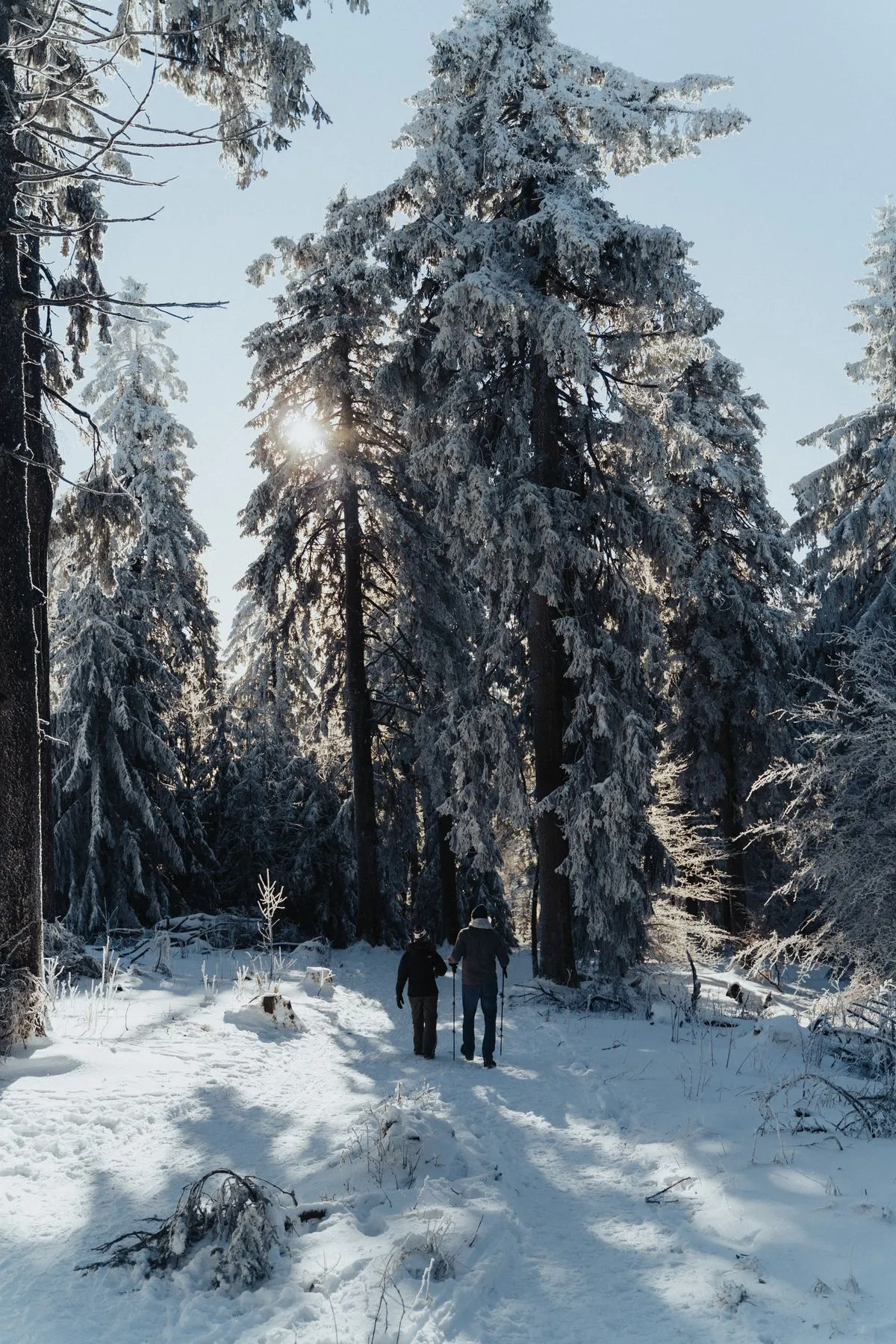
Seasonal dating works best when the weather is part of the plan. Choose an activity that fits the actual conditions, a comfortable pace, and one small detail that makes this month feel different.
A date for every season
Spring
Garden, market, or first terrace
Walk among new growth, visit a plant market, or choose a cafe with outdoor and indoor seating. Bring a light layer and check whether the route stays comfortable after rain.
Summer
Morning, water, or shade
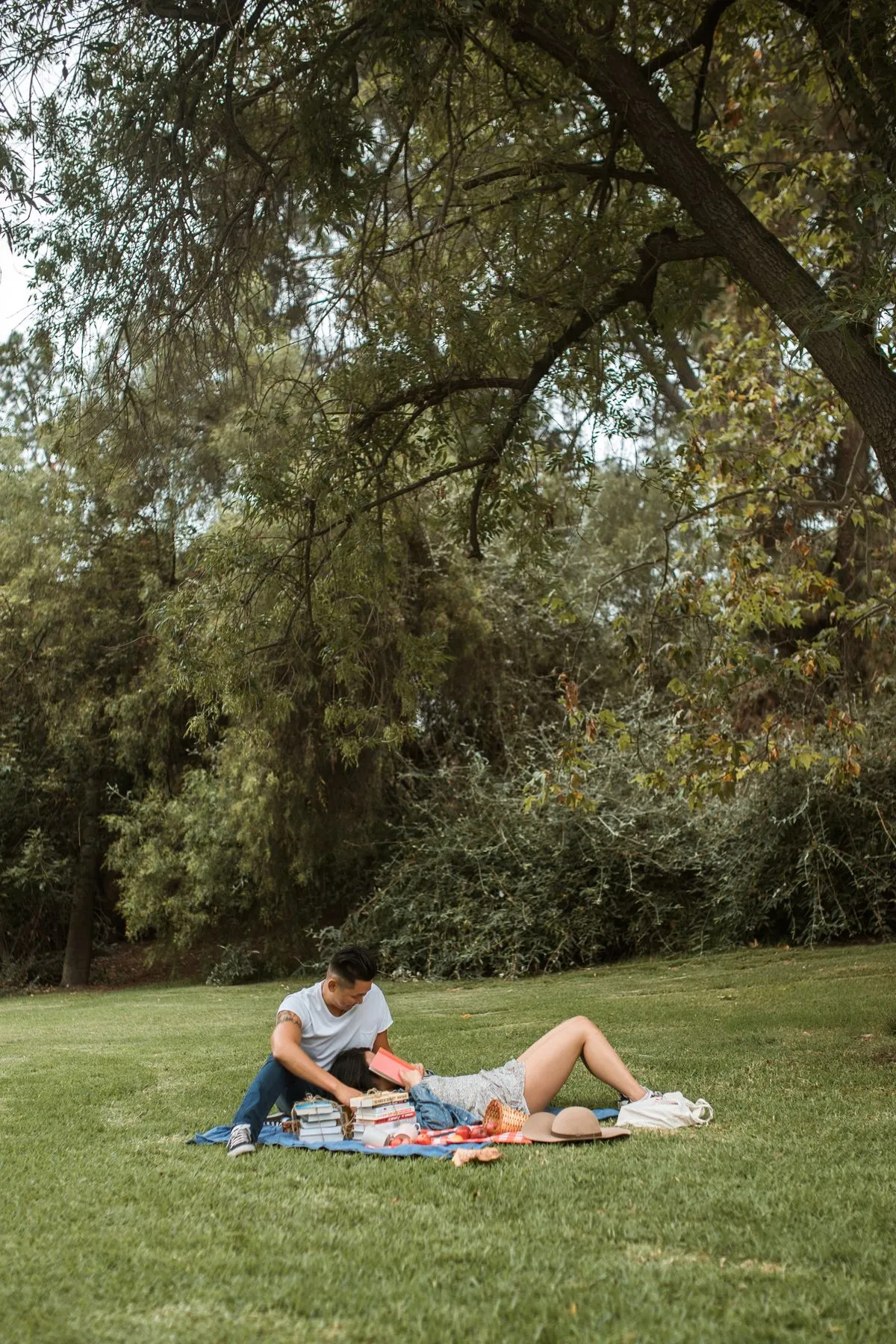
Meet before the hottest part of the day, visit a shaded park, or choose a waterfront route with places to sit. Carrying water is a small act of care.
Autumn
Leaves, bakery, or neighborhood color
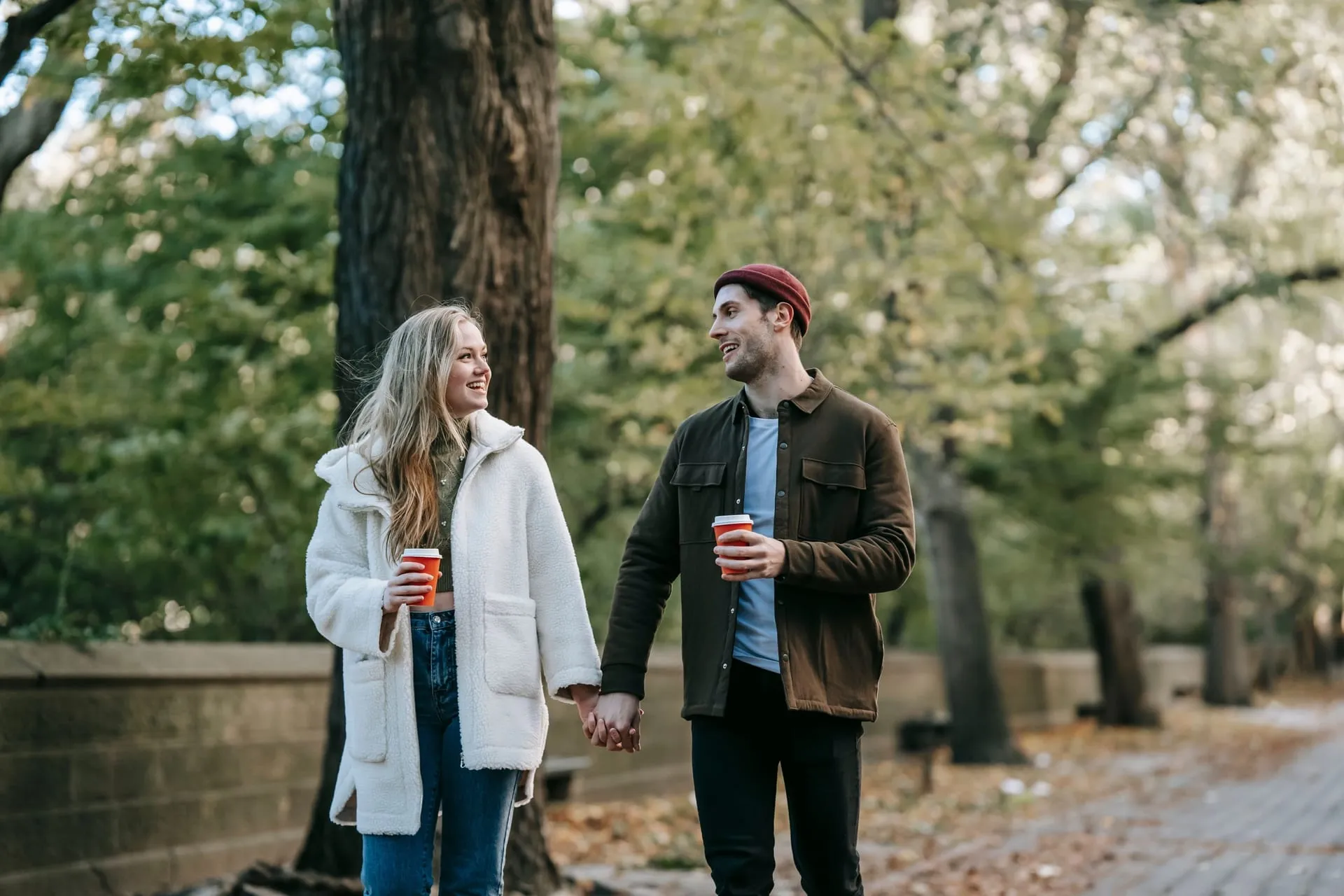
Use a farmers market, a bakery crawl, a foliage walk, or a small craft event. Give the plan a warm indoor ending rather than relying on a long outdoor route.
Winter
Lights, books, or a warm room
Try a museum, bookshop, public market, seasonal lights, or an easy cafe. Check transport, daylight, and whether cold weather changes the expected duration.
Add a seasonal detail without overdoing it
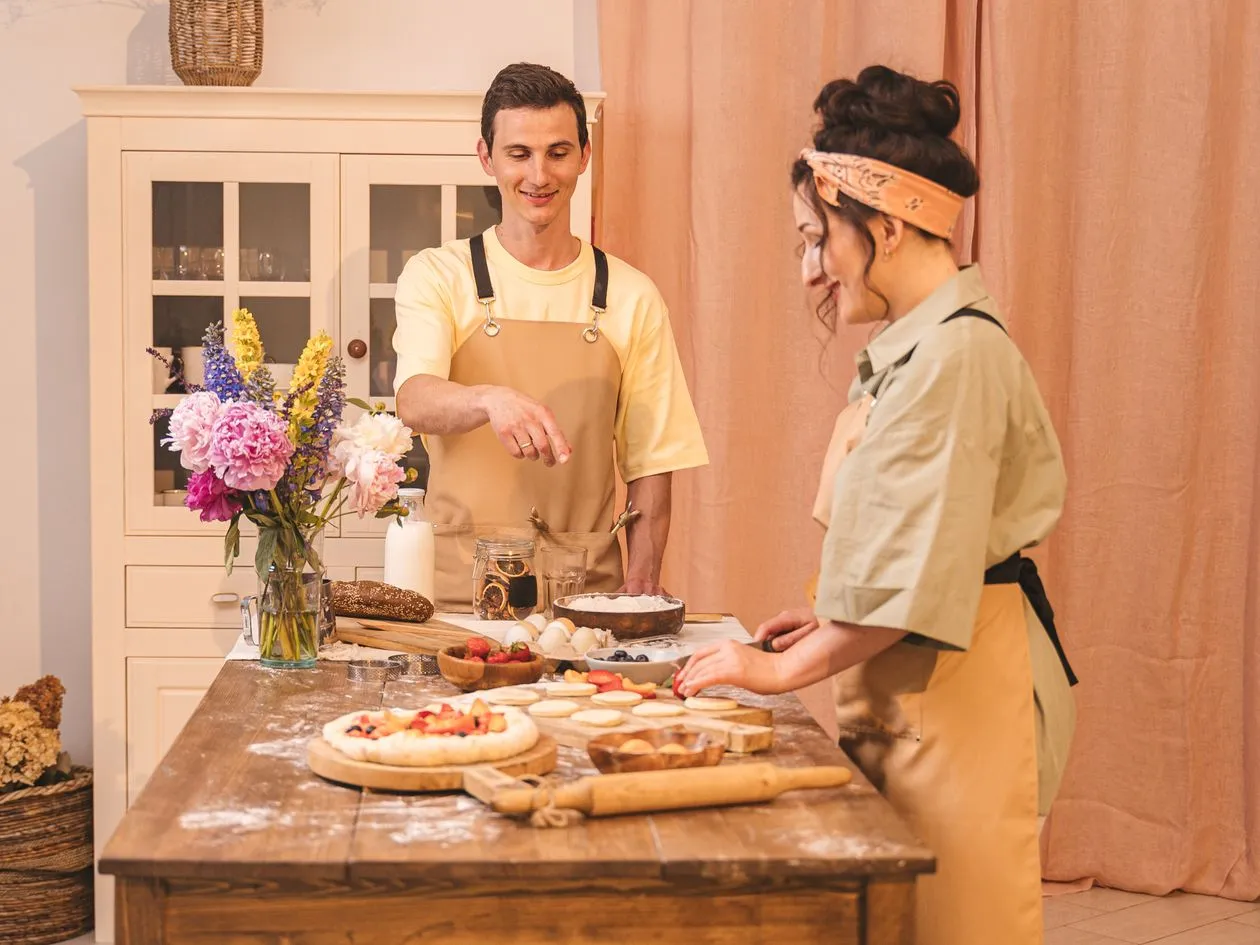
A seasonal date does not need costumes, decorations, or a perfect photograph. Pick one sensory detail, such as a fruit in season, a local exhibition, a winter view, or a recipe you have not tried. Let the rest of the date be ordinary.
Specificity helps the other person imagine the experience. "Want to do something autumnal?" is vague. "There is a Saturday market with apple pastries; want to browse for half an hour and get tea nearby?" is concrete, adjustable, and easy to answer.
Seasons do not feel the same to everyone. Heat, cold, allergies, darkness, crowds, cultural holidays, and chronic conditions can change what feels inviting. Ask instead of turning a seasonal preference into a test of enthusiasm.
Build a weather-proof seasonal date
Choose the experience
Decide what you want to notice together: food, light, art, movement, or a local tradition.
Check the conditions
Look at the forecast, opening hours, crowd level, temperature, and route. A five-minute check can prevent a two-hour struggle.
Make the comfort visible
Mention seating, shade, toilets, shelter, clothing, and the likely walking distance when they matter.
Set a natural frame
Name a start and an ending. The option to continue should be mutual and based on energy, not on the plan being "too short".
Keep one simple backup
Choose something nearby and less weather-dependent. Changing the plan is adaptation, not failure.
Match the season to the person
For sensory comfort
- Quiet museum
- Shaded garden
- Cafe near transport
For gentle activity
- Market browse
- Bookshop route
- Short park walk
For shared novelty
- Seasonal food tasting
- Small class
- Local festival with an exit plan
Seasonal date check
- The weather has been checked, not assumed
- There is shelter, shade, or a nearby indoor option
- The route works for the people attending
- The price and duration are visible
- The seasonal detail is an invitation, not a performance
Questions about seasonal dates
What is a good seasonal first date?
Choose something public, easy to leave, and connected to the current season: a market, garden, museum, lights, or short walk with a cafe nearby.
How do I plan for bad weather?
Give the backup equal dignity in advance. You are not waiting for the date to fail; you are making the plan resilient.
What if my date dislikes seasonal holidays?
Ask what kind of atmosphere they enjoy. Seasonal connection can mean food, nature, art, or a quiet indoor place. No single tradition is mandatory.
A good seasonal date is a small, well-shaped experience that helps two people notice the time of year and each other while keeping comfort in the plan.