Lover

After a breakup, recovery rarely moves in a neat line from pain to peace. You can feel relieved in the morning and miss the person at night. That movement does not mean you made the wrong decision. It is part of adjusting to a changed life.
What recovery may include
Disorientation
“What do I do with my day?”
Routines, plans, and identity may feel suddenly empty. Start with food, sleep, transport, and one reliable person.
Longing
“I remember only the good.”
The mind may reach for comfort or idealize the bond. Keep a fuller record of what was true, including needs that went unmet.
Meaning
“What did this teach me?”
Reflection becomes useful when it produces a boundary, value, or choice. It stops helping when it turns into self-blame.
Reorientation
“My life is wider again.”
Interest returns unevenly. You notice yourself making plans that are not organized around the former relationship.
Why a good day can be followed by a hard one
Healing is not a permanent mood. Triggers reactivate memory, and practical contact through shared housing, children, work, or pets can keep the relationship present. A setback may mean that something needs care today. It does not erase earlier progress.
Try replacing “Why am I still like this?” with “What does this moment need?” The answer might be food, sleep, a friend, a boundary, a walk, a therapist, or an hour without making a major decision.
- Relief does not cancel grief
- Missing someone does not require reunion
- Anger can coexist with love
- Feeling ready to date is different from feeling fully over it
A plan for an unexpectedly difficult day
Name the wave
Say “This is longing,” “This is loneliness,” or “This is a trigger.” Naming reduces the pressure to act immediately.
Reduce access to the impulse
Wait before texting, mute the profile, or put distance between you and the decision.
Regulate the body
Eat, hydrate, breathe slowly, move, shower, or rest. Basic care is not trivial during emotional strain.
Borrow perspective
Talk to someone who knows the whole story, including the parts you miss today.
Choose a small next action
Make tea, attend work, walk around the block, or write one paragraph. Recovery is built from repeatable acts.
If distress feels unmanageable or you may harm yourself, contact local emergency or crisis support immediately.
Progress can look like
A real sign of movement
- The wave passes a little faster
- You ask for support sooner
- You remember the full relationship
- Your choices reflect your values
A false requirement
- Never thinking of them again
- Feeling grateful every day
- Having no anger or sadness
- Being ready for a new relationship immediately
Questions people ask
How long does it take to get over a breakup?
There is no reliable universal timeline. Duration, closeness, circumstances, support, and the way contact ends all matter. Focus on functioning and support rather than a deadline.
Should I use no contact?
Distance helps many people, but shared children, work, housing, or safety can require structured contact. Choose the boundary that serves recovery and practical reality.
When can I start dating again?
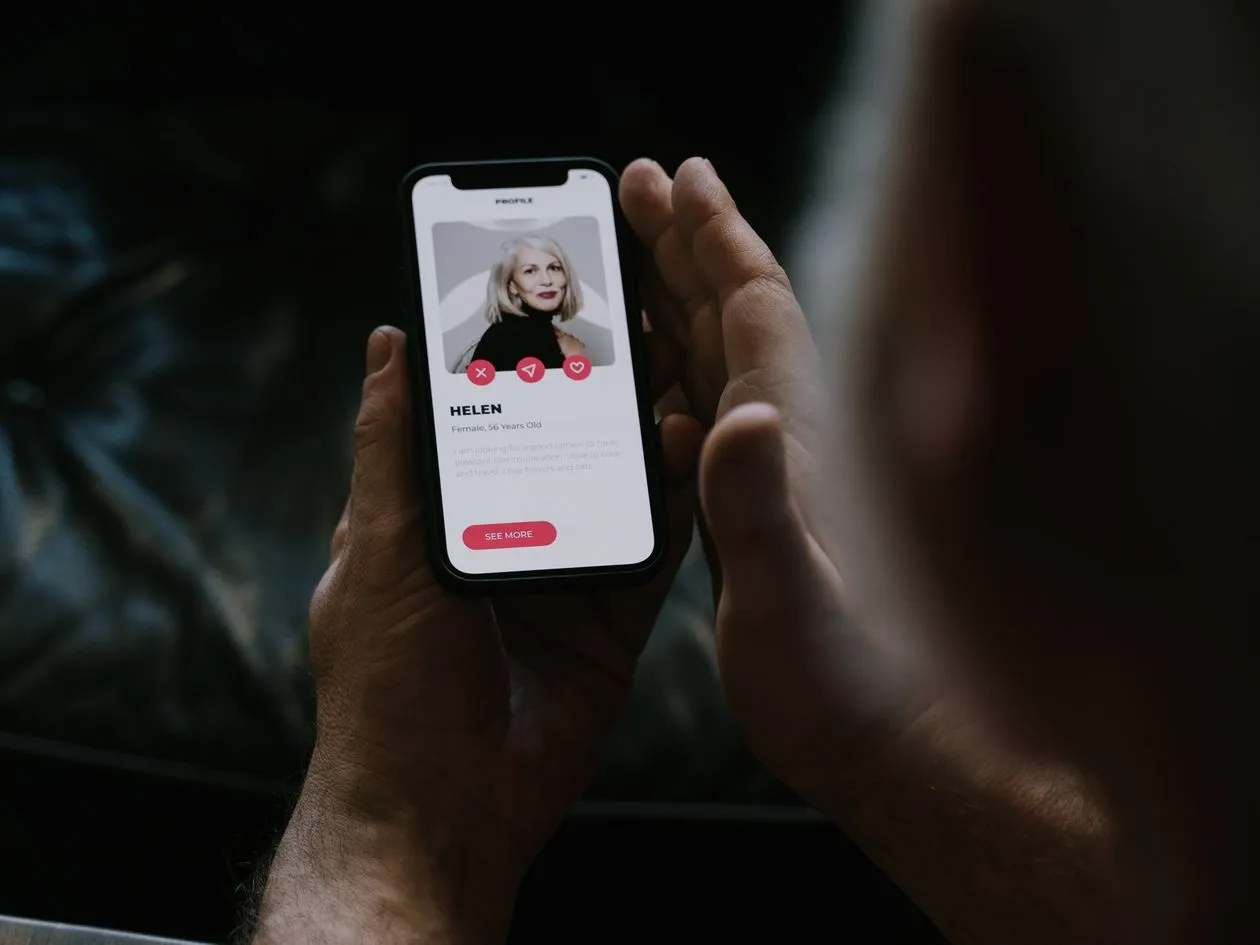
When meeting someone feels like a choice rather than an emergency, revenge plan, or way to avoid every feeling. You can start slowly without promising a serious relationship.
You are not behind because recovery is uneven. Keep the next step small, let support carry some of the weight, and measure change by the life you are gradually able to inhabit.