Lover
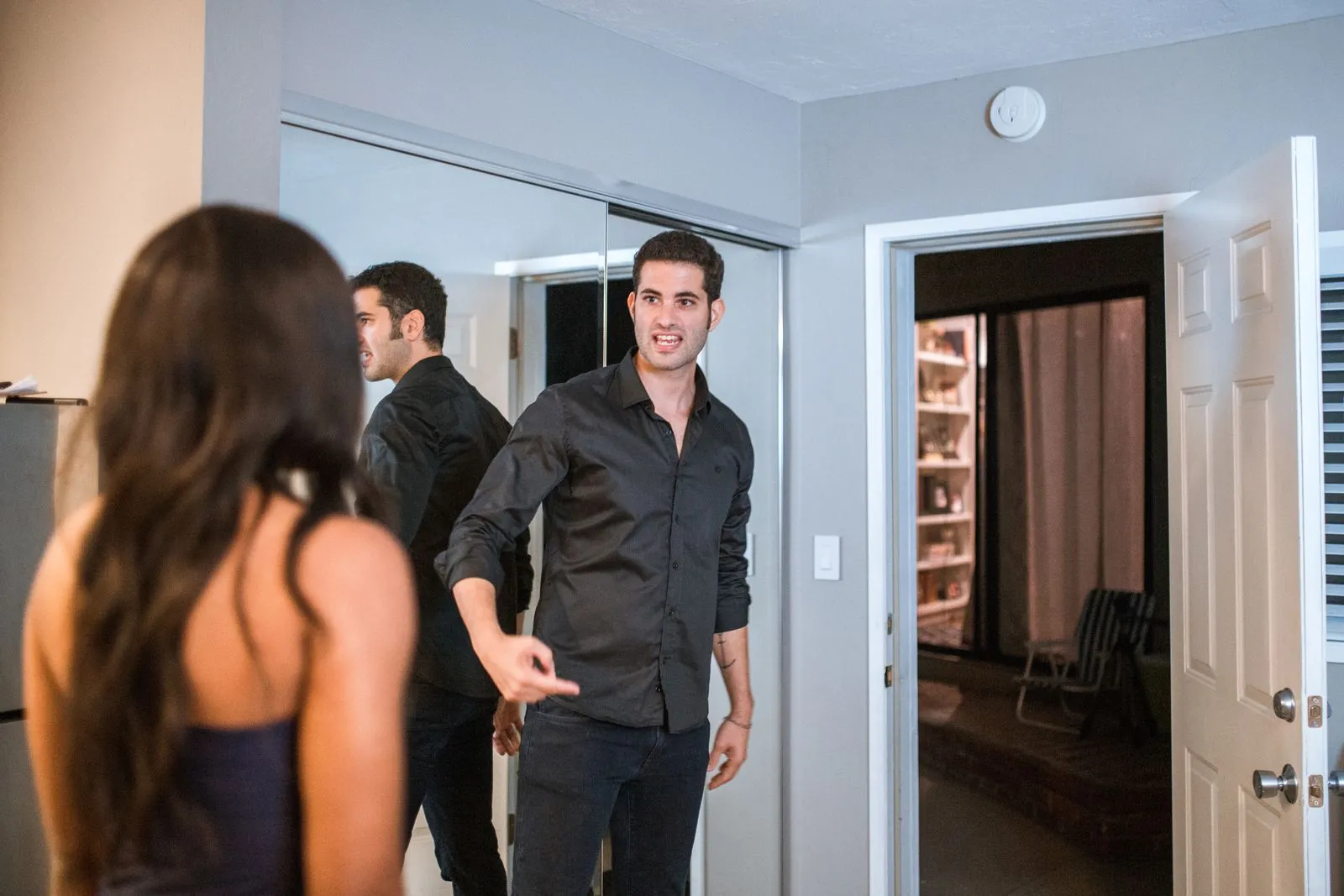
Stepping away from a heated conversation can be healthy. A useful pause helps you regulate and has a clear path back. Silence becomes harmful when it shuts the other person out, creates fear, or avoids the topic indefinitely.
Stonewalling and a healthy pause
The full context matters, and these patterns still create very different conditions for repair.
Healthy pause
- The need for a break is stated clearly
- A reasonable return time or update is offered
- The person uses the pause to settle, not punish
- The conversation resumes or is rescheduled honestly
Stonewalling pattern
- The other person is shut out without clarity
- Silence is used to punish or control
- Every attempt to return is refused or mocked
- The original issue remains suspended indefinitely
Why someone may shut down
People can go quiet when they feel overwhelmed, ashamed, afraid of escalation, or unable to find words. Understanding the reason can guide a better pause. It does not make the impact irrelevant, and the relationship still needs a clear way to return to contact.
Likewise, a partner who wants to keep talking may be seeking reassurance, not trying to trap anyone. Name both needs: one person needs regulation; the other needs predictability and evidence that the issue will not vanish.
- Describe your internal state without labeling the other person’s character.
- Offer a concrete return point, even if the exact answer is not ready.
- If fear or threats are present, prioritize a safety plan and outside support.
How to take a healthy pause
Signal the pause
Say, “I am too activated to do this well right now. I am not ending the conversation.”
Give a window
Choose a realistic time to return or promise a specific update if you need longer.
Lower the temperature
Walk, breathe, drink water, write down the facts, or do another regulating activity. Avoid recruiting an audience to your case.
Return with one aim
Choose whether you are trying to understand, apologize, make a decision, or set a boundary.
Repair or reschedule
If the conversation still cannot be safe or constructive, say what support or structure is needed next.
A useful pause makes a better next conversation possible.
Scripts for taking space without disappearing
Overwhelm
“I want to stay with this, but I need 20 minutes to calm down.”
Name the commitment to return so the pause is not mistaken for abandonment.
Unclear timing
“I cannot promise I will be ready at 8, so I will text you at 8 with an update.”
A reliable update is better than a precise promise you cannot keep.
Need for safety
“I will only continue this conversation when we can speak without threats or insults.”
A boundary can pause contact when the conditions are not safe.
Return
“I am ready to hear your experience first.”
Coming back with a listening intention helps the pause lead to repair rather than a second round of defense.
Before you call it a healthy pause
- The pause was stated rather than imposed through disappearance.
- The other person knows whether the relationship conversation is still open.
- The pause has a time or an update point.
- You are regulating, not preparing punishment.
- You return with enough capacity to listen.
- You seek help if the pattern is frightening, coercive, or unsafe.
Questions people ask
How long can a healthy pause last?
There is no universal number. It should be long enough to regain capacity and short enough that the issue is not quietly abandoned. If you need more time, give an honest update and a new plan.
What if my partner follows me when I ask for space?
Repeat the boundary calmly and make the return point concrete. If someone will not let you take physical or emotional space, or if you feel unsafe, seek support and prioritize safety over finishing the argument.
What if I am the person who goes silent?
Practice one sentence that signals overwhelm and one behavior that creates a return path. You do not need perfect words; you do need enough clarity to stop silence becoming the only strategy.
Taking space can protect connection when it is clear, time-bound, and followed by a return. What matters is whether the pause leaves both people with a safer next step.