Lover

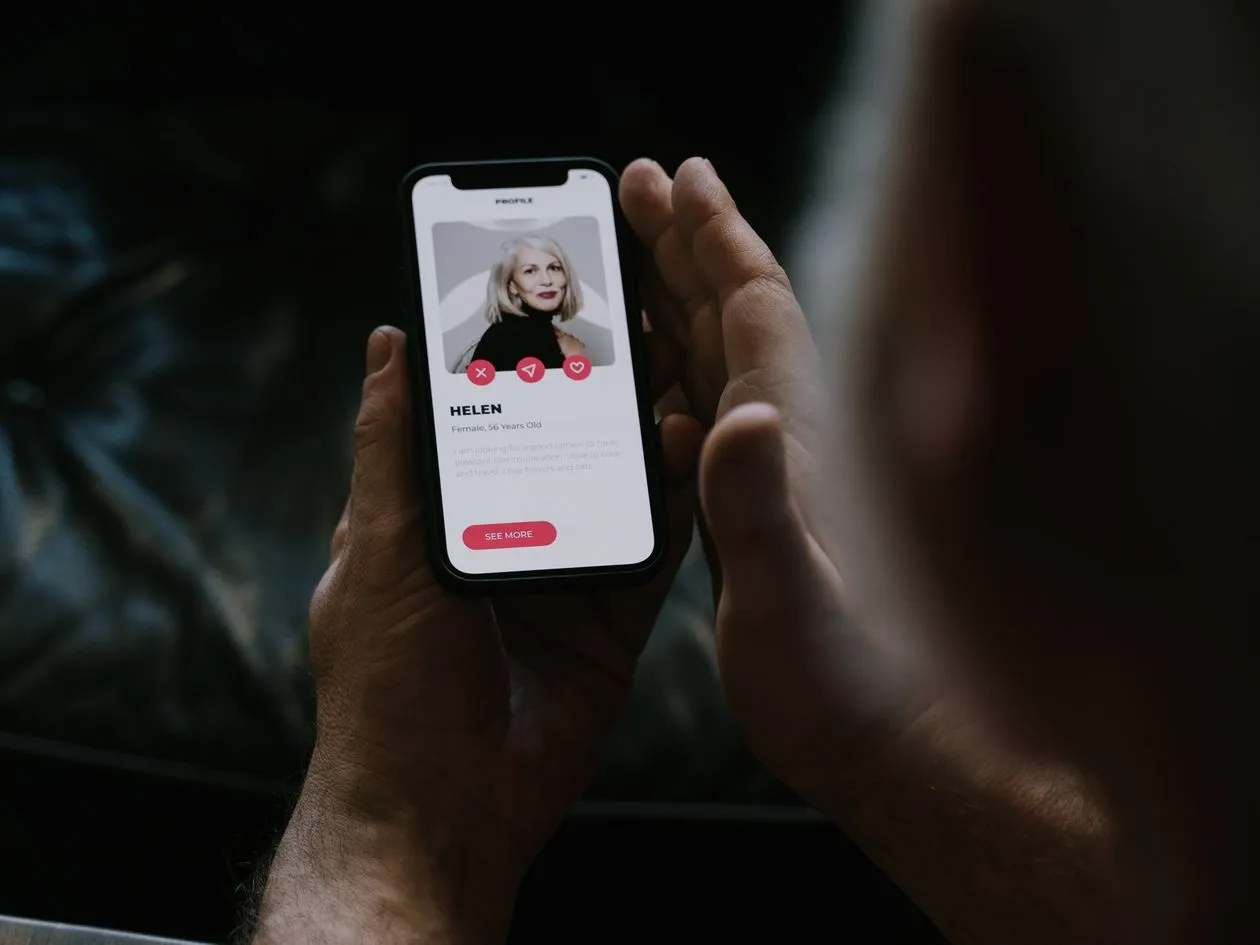
Talking with several people can be part of early dating, especially before anyone discusses exclusivity. The important part is how you handle the conversations while you decide which connections deserve more of your time. People still need honesty, attention, and basic care at this stage.
How to keep several chats respectful
Early dating does not automatically mean exclusivity. Each person still needs enough information to make choices that affect them. You do not have to report every match, but do not lie about your availability, hide a relevant relationship agreement, or use someone’s private disclosure in another chat.
Attention matters too. If you cannot remember what people told you, answer everyone with the same script, or accept dates you do not have energy for, narrow the field. Your schedule is telling you something.
You do not have to make every chat equally important. Let people stay people while you learn what fits. Ask before sharing screenshots, keep notes minimal and private, and close a conversation when you know you will not return to it.
- Do not claim exclusivity before you have agreed to it, and do not ignore a clear agreement
- Keep personal stories, photos, and screenshots private
- Schedule only as many dates as your time and energy can hold
- Give attention to the people you are genuinely curious about
- End low-fit conversations instead of keeping placeholders
Healthy exploration versus a crowded roster
Healthy exploration
- You are open about the stage and your availability
- You remember enough to answer like a person
- You slow down or stop when your energy drops
- You make choices instead of collecting reassurance
A sign to narrow the field
- You forget who knows what about you
- Every chat feels like a task or a score
- You promise dates and cancel because the calendar is full
- You keep "backup" conversations you no longer want
Small scripts for clear expectations
Naming the stage
Before exclusivity
"I am still meeting people and learning what feels right. I am not assuming we are exclusive. How are you approaching it?"
Protecting time
A smaller schedule
"I would like to keep getting to know you, but I can only do one date this week. I do not want to promise more than I can give."
Ending a low-fit chat
No placeholder language
"Thanks for the conversation. I do not see this developing for me, so I am going to stop here rather than leave you waiting."
Privacy
No screenshot sharing
"I keep dating conversations private, so I do not share screenshots or details about other people."
Manage several conversations without losing the person
Set a capacity limit
Choose a number of active chats you can answer with attention. Leave room for work, friends, rest, and an actual date.
Separate curiosity from obligation
A match does not promise unlimited replies. You can like someone and still decide that the timing, format, or energy does not fit.
Use small private reminders
If notes help, record practical details such as name pronunciation or a planned day. Do not build a dossier or copy intimate disclosures into a spreadsheet.
Check your calendar before agreeing
Leave space between dates so you can notice how you feel. A crowded schedule turns each person into another appointment to complete.
Speak up when the context changes
If you want exclusivity, a pause, or a slower pace, say so before acting as though an agreement already exists. Give the other person room to choose too.
Ask yourself whether you can meet each person with enough honesty and attention.
Questions about several dating chats
Do I have to tell every match that I am chatting with others?
You do not need to list every conversation, but do not imply exclusivity before you have agreed to it. If the answer affects sex, time, or relationship expectations, answer honestly and discuss what each person needs to know.
Is it rude to stop replying to a chat that never became personal?
A formal goodbye is not always needed after a few generic exchanges or prolonged silence. Once the conversation is steady, personal, or tied to a plan, a short closing message is more considerate.
How do I know when to focus on one person?
Notice where curiosity, reliability, and shared effort are growing. Focusing on one person is your choice, and you can discuss the change before you make it.
Several early conversations can be honest dating. Problems begin when privacy becomes content, promises exceed your capacity, or people receive only the attention left over. Keep your pace manageable and speak plainly when it changes.