Lover
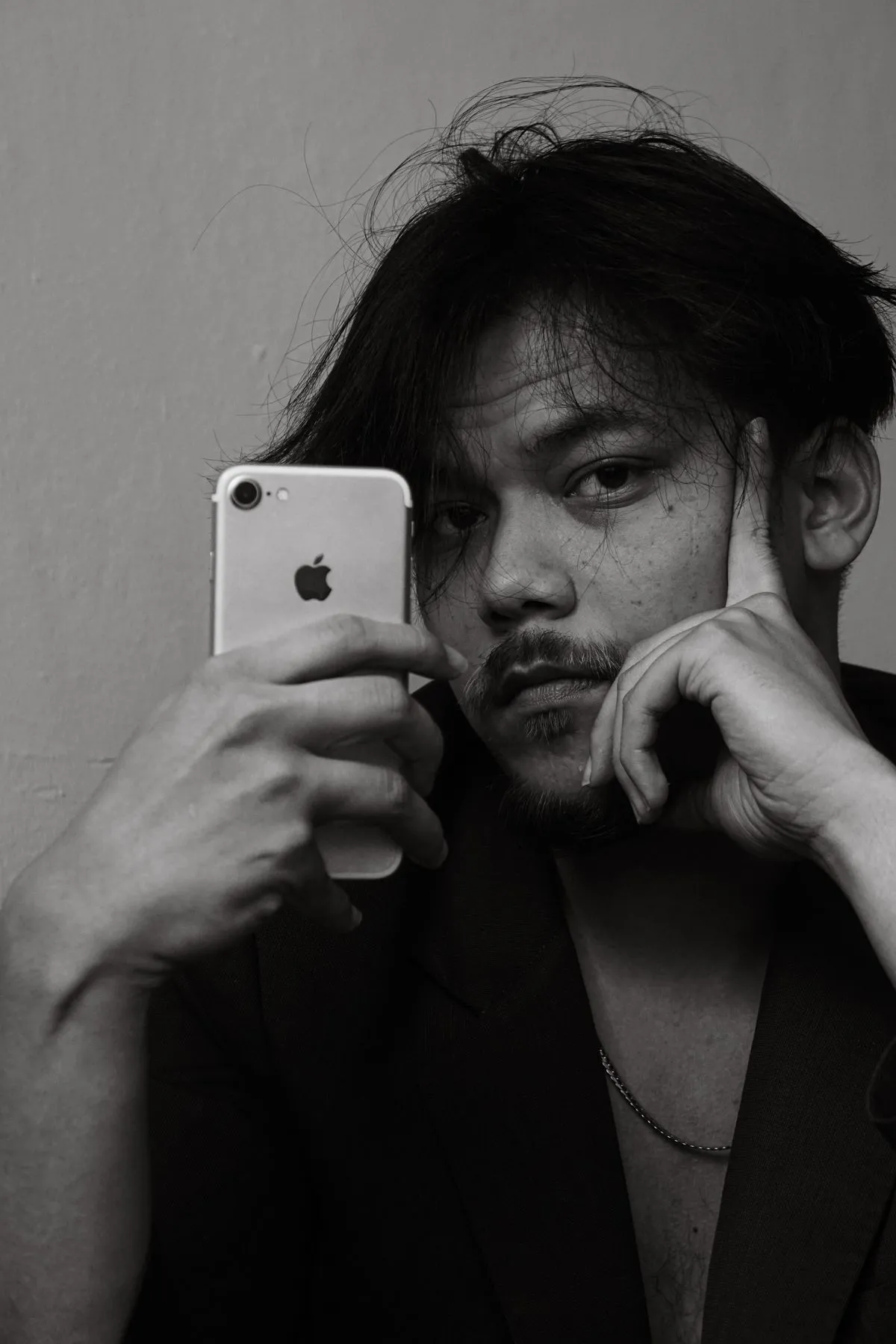
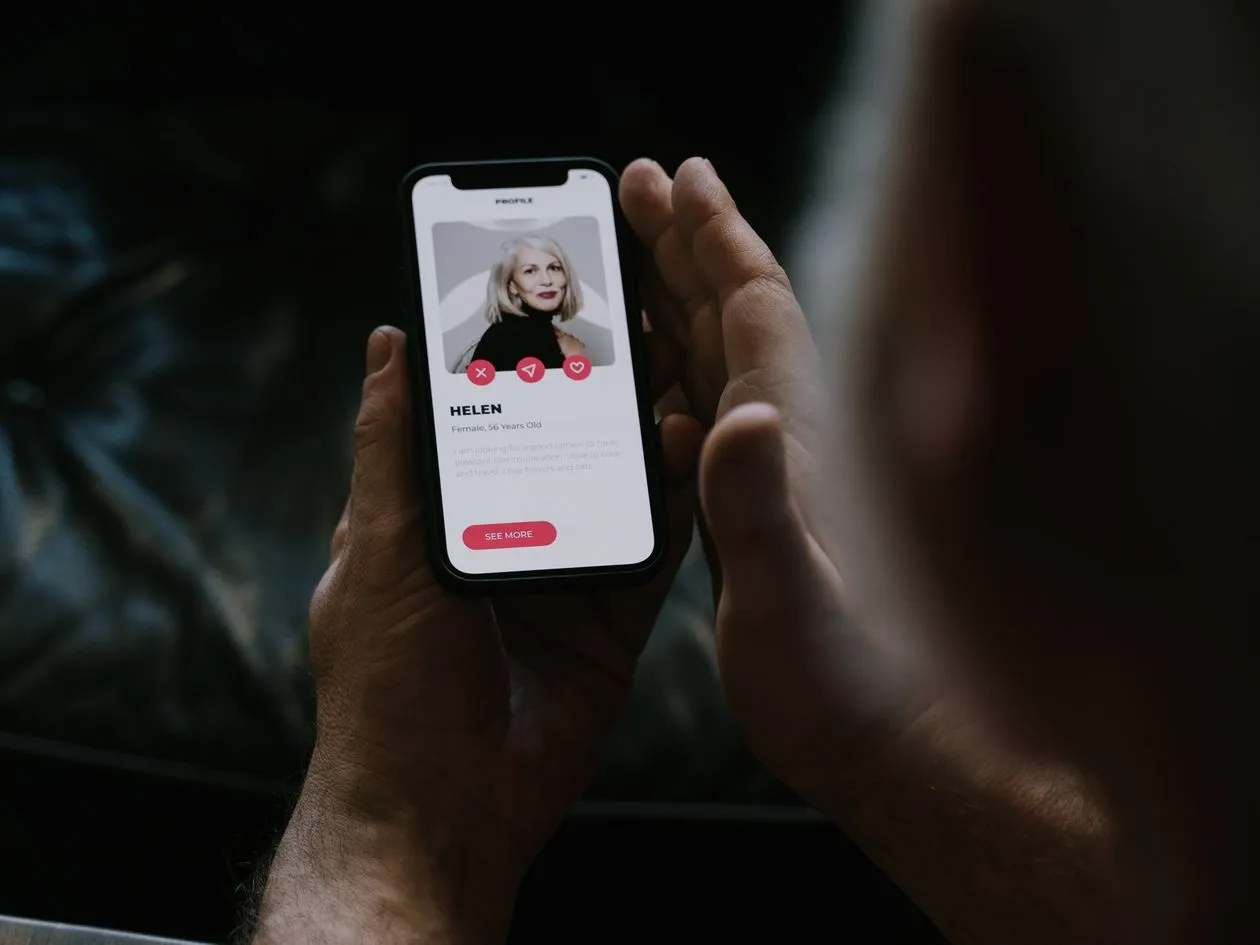
Retouching and AI-generated photos can make sharing a profile feel easier, while also changing what another person expects to meet. Ask whether the image could create a significant surprise in person.
Editing changes what a viewer expects
Think in terms of what a viewer can reasonably infer from the image.
Usually ordinary editing
- Cropping for the profile frame
- Adjusting exposure or white balance
- Removing a temporary blemish or lint
- Blurring a private detail in the background
Needs caution or disclosure
- Changing facial structure or body proportions
- Replacing hair, age, skin texture, or clothing
- Generating a portrait that never happened
- Using an AI likeness that makes recognition uncertain
Why a small edit can become a large trust problem
A profile image is not a neutral decoration. It helps a stranger decide whether to start a conversation and, later, whether they can recognize you at a meeting point. If the picture promises a different face, body, age, or level of polish than reality, the first interaction begins with an avoidable correction.
That does not mean you owe the internet an unflattering or unprotected image. You can choose flattering light, wear clothes you like, crop out your home, and remove information that identifies you. Privacy-preserving edits reduce exposure; misleading edits change the person another dater thinks they are approaching.
Platform rules matter too. Current Hinge guidance says AI-generated content must not be used to mislead others, alongside rules against someone else’s likeness and misleading or outdated photos. Rules vary by service, so check the app you use rather than assuming a filter is acceptable everywhere.
An image can be beautiful and still be the wrong image for a dating profile if it makes recognition or expectations unreliable.
Use this five-step decision before uploading
Name what changed
Was it light, a crop, background cleanup, skin texture, a generated outfit, facial shape, body size, or the entire scene? Be precise. “It is just a filter” can hide several different changes.
Check recognition at a normal distance
Imagine a match looking for you in a cafe or station. Would they recognize you without your phone in your hand? If not, use a clearer current photo as the lead image.
Compare with your unedited gallery
Place the edited photo beside two recent photos taken in ordinary light. You are checking continuity, not searching for a reason to criticize your appearance.
Ask what expectation it creates
Does it suggest a different age, body, lifestyle, location, or access to professional styling? If the answer is yes, that difference may matter to someone choosing a date.
Choose transparency over a defense
If you keep an extensively edited or generated image, label it plainly in the caption or conversation and include current natural photos. No one has to like the choice, but they should not have to discover it at the meeting.
Better ways to look your best without changing the promise
Light
Move toward a window
Soft daylight often does more for a portrait than a beauty filter. Avoid harsh overhead light and take several expressions rather than forcing one smile.
Context
Ask for a new photo session
A friend can take ten relaxed photos while you walk, talk, or make coffee. You get a small set of current options without turning your profile into a studio campaign.
Privacy
Edit the background, not yourself
Blur a street number, crop a workplace logo, or remove a personal document. Keeping your footprint small is compatible with showing your real face.
Continuity
Use several kinds of current photos
A clear portrait, a full-length image, and a normal-life photo make one highly polished image less responsible for the entire first impression.
A profile-photo honesty check
- The photo is mine and I have permission for anyone else shown.
- It is recent enough to represent how I look now.
- My face and body are not materially reshaped.
- The background does not reveal private information.
- At least one other photo shows me in ordinary conditions.
- I could explain any substantial generation or alteration without minimizing it.
- The image helps a match recognize me safely at a public meeting.
Common questions about filters and AI photos
Can I use a beauty filter on a dating profile?
A small adjustment that does not change recognition may be fine, but effects that reshape features or erase ordinary texture can create a misleading expectation. When in doubt, keep the edit subtle and include unfiltered current photos.
Do I need to disclose that I changed the lighting?
Usually not. Lighting, crop, and color correction are normal editing decisions when they do not change who a person expects to meet. Disclosure becomes more important as the change affects identity or appearance.
What if I feel insecure about current photos?
Take the pressure off perfection: use a trusted friend, a comfortable setting, and a few attempts. You can also pause. A profile does not need to be published on a day when sharing yourself feels unsafe.
If a match says you look different
Do not argue them into being comfortable. Ask what they mean and answer directly. “The first photo has a strong filter and was taken a while ago; these are current photos” is clearer than insisting that every image is technically accurate. They are allowed to decide the difference matters to them.
If you discover that someone else’s profile is materially misleading, you do not owe them a meeting to investigate. Suggest a quick verification call if you genuinely want to continue, or end the contact if the mismatch makes you uneasy. For harassment, impersonation, or scam signals, use the app’s block and report tools and protect your own records.
Trust is easier to keep than rebuild. The best profile photo is not the one that wins the most abstract approval; it is the one that lets a real person meet you without a bait-and-switch feeling.
Use editing to protect context and privacy. A current, recognizable photo gives a stranger a fairer starting point than perfect camouflage.