Lover

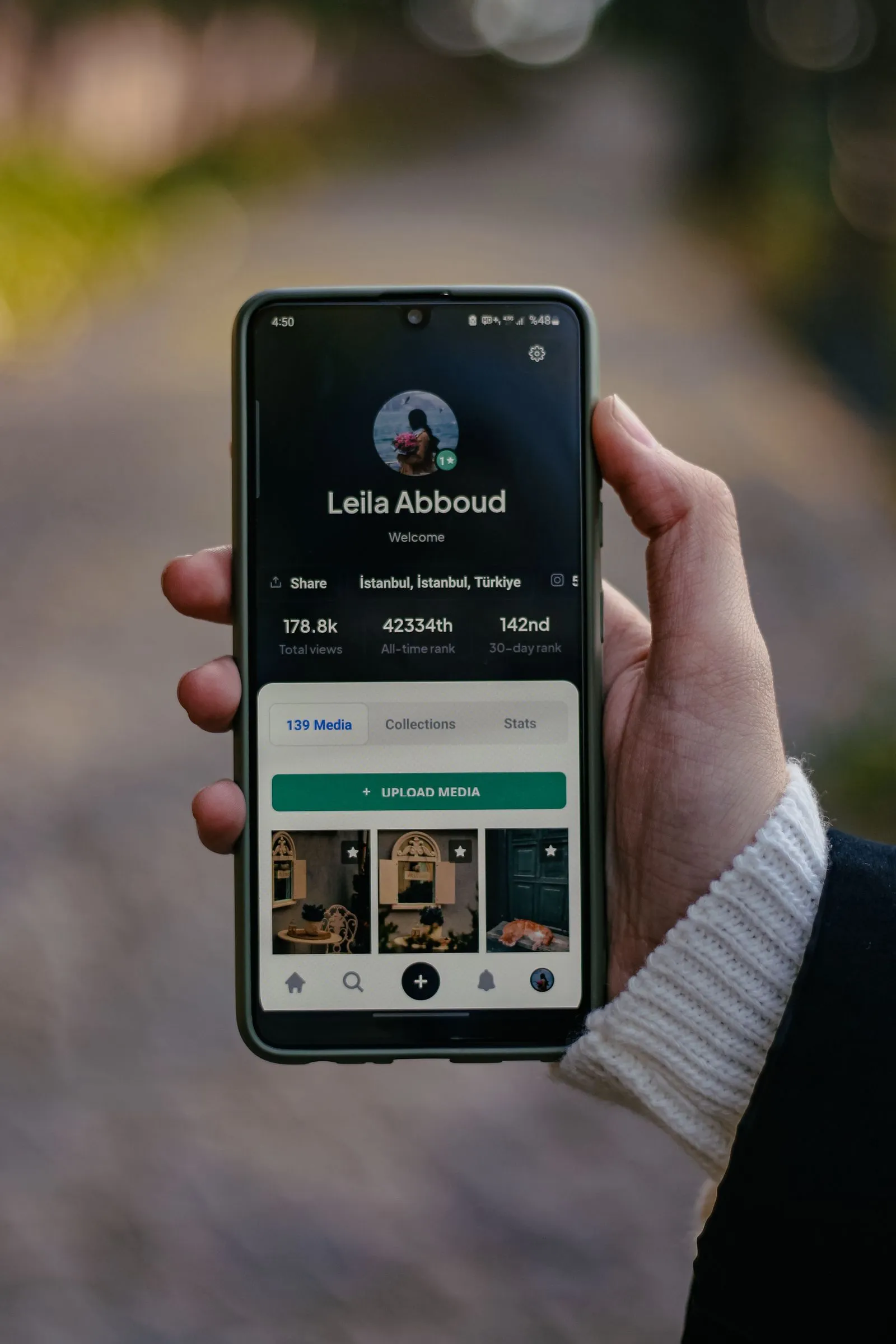
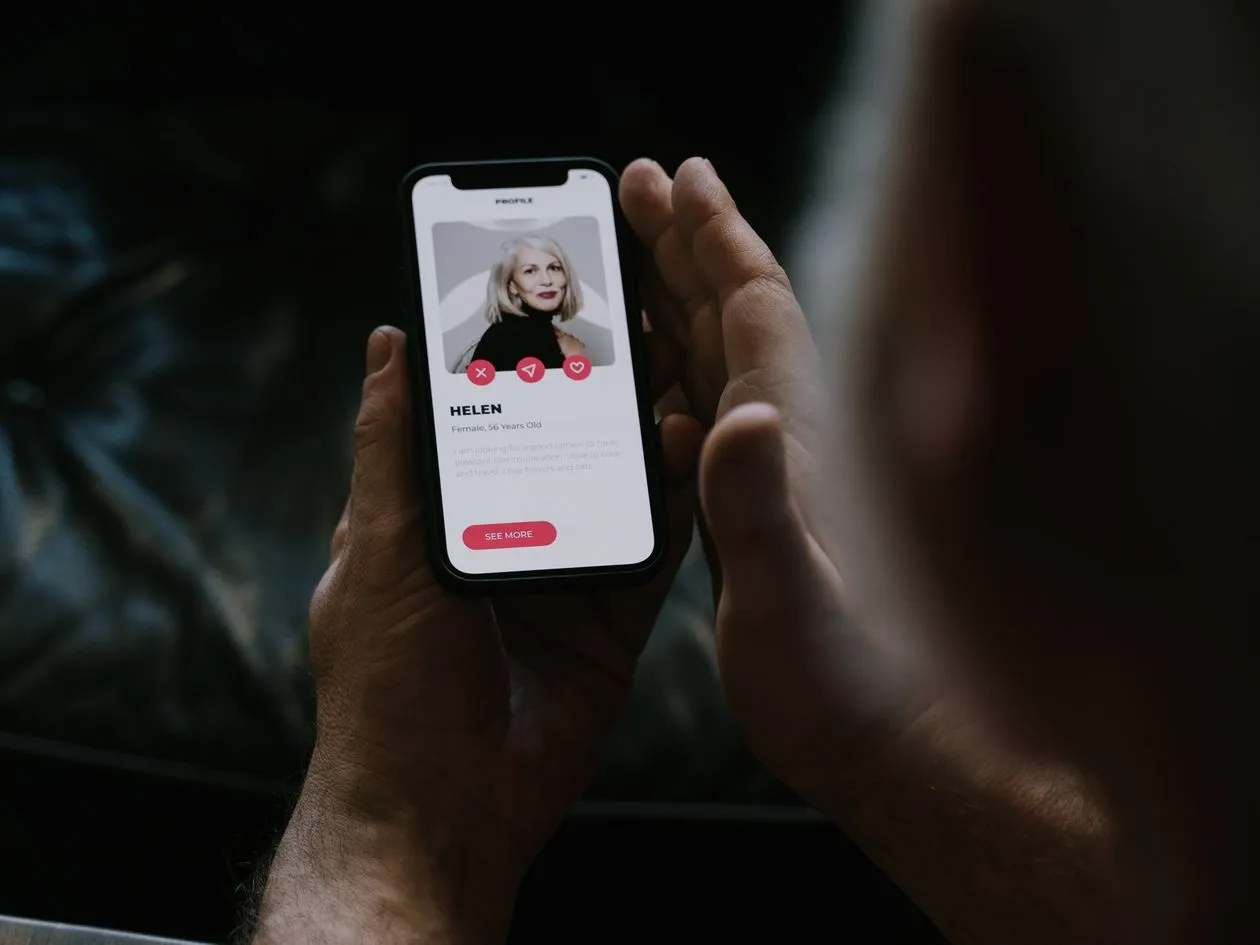
Trust begins before a message, but it is not created by a polished profile alone. People look for enough consistent information to understand who they are approaching, what kind of contact you welcome, and whether the person in the gallery seems present in ordinary life.
Build trust with four kinds of detail
Make the basics easy to find
A current city, honest age, and a clear direction reduce avoidable uncertainty. State them without a defensive essay.
Let the gallery agree with the words
A calm bio paired with only party photos, or a serious intention paired with no available time, creates noise. People read the whole pattern.
Offer a real opening
Name a ritual, small obsession, or place you enjoy. Concrete details help a stranger write without asking you to perform.
Keep verification in proportion
A verification signal can support authenticity, but it cannot prove intentions, kindness, or compatibility. Behavior still matters.
Trust is clarity, not oversharing
You do not need to publish your address, workplace route, full schedule, or intimate history to seem genuine. A trustworthy profile gives useful context while keeping sensitive information under your control.
Ask: “Does this detail help someone understand how to meet me, or does it only expose me?” You can be warm and specific without making yourself easy to track.
- Use broad, current context rather than an exact daily route.
- Get consent before showing other people in your photos.
- Remove details that are no longer true.
A useful test
Could a stranger quote one line of this profile and ask about it in a single message?
What a stranger can understand in thirty seconds
Most people do not read a profile like a form and then award points. They scan for a coherent impression: Is this person current? Is there a recognizable life behind the claims? Would replying feel safe and socially easy? That impression is built from small agreements between the gallery, text, and pace of contact.
Start with recognition. A current portrait makes the person easier to identify and reduces the feeling that the first meeting will be a reveal. Add a full-length or everyday image when it represents you honestly. Then add context: a place, activity, or ritual that lets someone understand how your week feels. One strong detail is more useful than a catalogue of hobbies.
Finally, make the invitation legible. “I am here to meet someone kind and see where it goes” gives direction without turning the first conversation into a contract. If you prefer a slow start, say what that means in practice. The more concrete the invitation, the less another person has to guess.
Details that create confidence without exposing you
Current
Show this season of your life
A recent interest, a project in progress, or an ordinary ritual helps the profile feel present. Replace old aspirations that no longer belong to your week.
Consistent
Let words and actions agree
If you say you enjoy thoughtful conversation, answer with more than a reaction when someone gives you a real opening. Trust grows through the pattern after the profile.
Bounded
Keep sensitive details broad
A neighborhood, general work area, or favorite kind of place can add texture without publishing the route to your home or routine.
Reciprocal
Offer an opening, then ask theirs
A question is warmer when it follows something true about you. You are inviting an exchange, not outsourcing the entire start to a stranger.
Verification is one signal, not a character reference
A badge or identity check can make an account easier to recognize, but it cannot tell you whether a person is emotionally available, respectful, or honest about what they want. The same is true in reverse: you do not need to prove your entire biography in a profile to deserve a conversation. Use verification as one layer alongside a current gallery, consistent communication, and sensible safety steps.
Be careful with the urge to investigate. Checking that a photo is not obviously stolen or asking for a brief video call can be a reasonable safety measure. Searching through private accounts, contacting someone's workplace, or collecting information they did not choose to share crosses into surveillance. Trust is not built by removing another person's privacy.
A practical boundary sounds like: “I am happy to do a short video call before meeting, but I do not share my address or work schedule.” Someone who respects that boundary gives you useful evidence. Someone who mocks it, rushes you, or demands more personal information is also giving you evidence.
The safest profile is not the most exposed one. It is the one that gives enough context for a free choice while keeping control of sensitive information.
Questions about trust before messaging
Does a complete profile guarantee safety?
No. It can reduce avoidable uncertainty, but safety still depends on behavior, boundaries, and how the connection develops.
Should I list my workplace?
Usually a broad industry or role is enough. Avoid exact employer details, entrances, or routines that make you easy to locate.
What if someone asks for more proof?
Offer only what feels proportionate, such as a video call or meeting in public. You can end the interaction if their request becomes pressure.
Trust continues in the first message
A profile can create a reasonable starting impression, but the first message shows whether the person who wrote it is available for an exchange. Refer to one specific detail, ask a question that can be answered without an essay, and offer a little information of your own. “You mention Sunday markets. I am still looking for a favorite one. What makes a market worth returning to?” gives the other person context and an easy choice.
Do not treat immediate intensity as proof of trust. A fast flood of compliments can feel flattering, but trust is usually quieter: the person answers what you actually said, accepts a delayed reply, keeps a plan, and does not make access to them conditional on personal information. Look for consistency across small interactions rather than a single impressive gesture.
If a conversation moves toward meeting, keep the same principle. Choose a public place, tell someone you trust, and keep control of your transport and timing. You can be optimistic and still use ordinary precautions. Someone who is genuinely interested does not need you to surrender those options in order to prove interest.
A trust review from the other side
Can I identify the main person?
The first image and gallery should make you recognizable without a decoding exercise.
Can I understand the present?
Your city, life rhythm, and interests should be current enough to support a real conversation.
Can I see the invitation?
A stranger should know how to begin and what kind of connection you are open to.
Can I keep myself safe?
Remove details that expose your home, work route, documents, finances, or predictable routine.
Can I stand behind the pattern?
Make sure your replies and plans will not quietly contradict the welcome your profile offers.
Do not confuse access with authenticity
There is a common pressure to prove that you are real by revealing more and more. You may feel asked for a full name, exact workplace, private social account, home neighborhood, or a live photo before a stranger has earned that access. Openness is not a contest. A profile can be honest while sensitive information remains private.
Use layered trust. Start with the information that helps someone decide whether to talk to you. Move to a short call or public meeting if the connection is promising. Share more personal context only as the relationship demonstrates consistency and respect. At every layer, you can pause or change your mind. Previous access does not create a permanent entitlement.
When someone treats a reasonable privacy limit as proof of guilt, notice the mismatch. A person who wants a safe connection should understand that safety protects both sides. You can say, “I am happy to verify in the app and meet in public. I do not share my address or personal accounts before we know each other.” A respectful response is more informative than any extra document you could send.
The right amount of information is enough for an informed choice, not enough for a stranger to map your life.
Four questions for a coherent profile
Identity
Does the profile sound like one person?
The photos, words, and stated pace should fit together. A mismatch is not automatically dishonest, but it deserves a review.
Present
Could this describe your week now?
Remove old routines, outdated goals, and photos that make the first meeting feel like a reveal.
Choice
Can the reader make an informed decision?
Give enough context about your city, intentions, and availability without publishing sensitive data.
Access
Does the next step preserve agency?
A clear invitation should be easy to accept, delay, or decline. Pressure is the opposite of trust.
Let consistency do the convincing
A profile can say “honest,” but a pattern of honest, proportionate communication is what makes the claim believable. Reply to the question that was asked, say when you are busy, update a plan early, and accept a no without extracting an explanation. These actions are small enough to repeat, which is why they matter more than a perfect paragraph.
You can offer the same courtesy to yourself. Do not assume someone is safe because their profile is polished, and do not assume you must earn basic respect by exposing more. Let access grow in response to behavior. Trust is allowed to be gradual.
A profile earns trust by making the first step legible. It can stay private in places while remaining coherent, current, and respectful of both people’s choice.