Lover

Repair after a conflict means returning to the moment with enough calm to name what happened, take responsibility for your part, understand the impact, and make the next interaction safer.
Pause first when the conversation is too hot
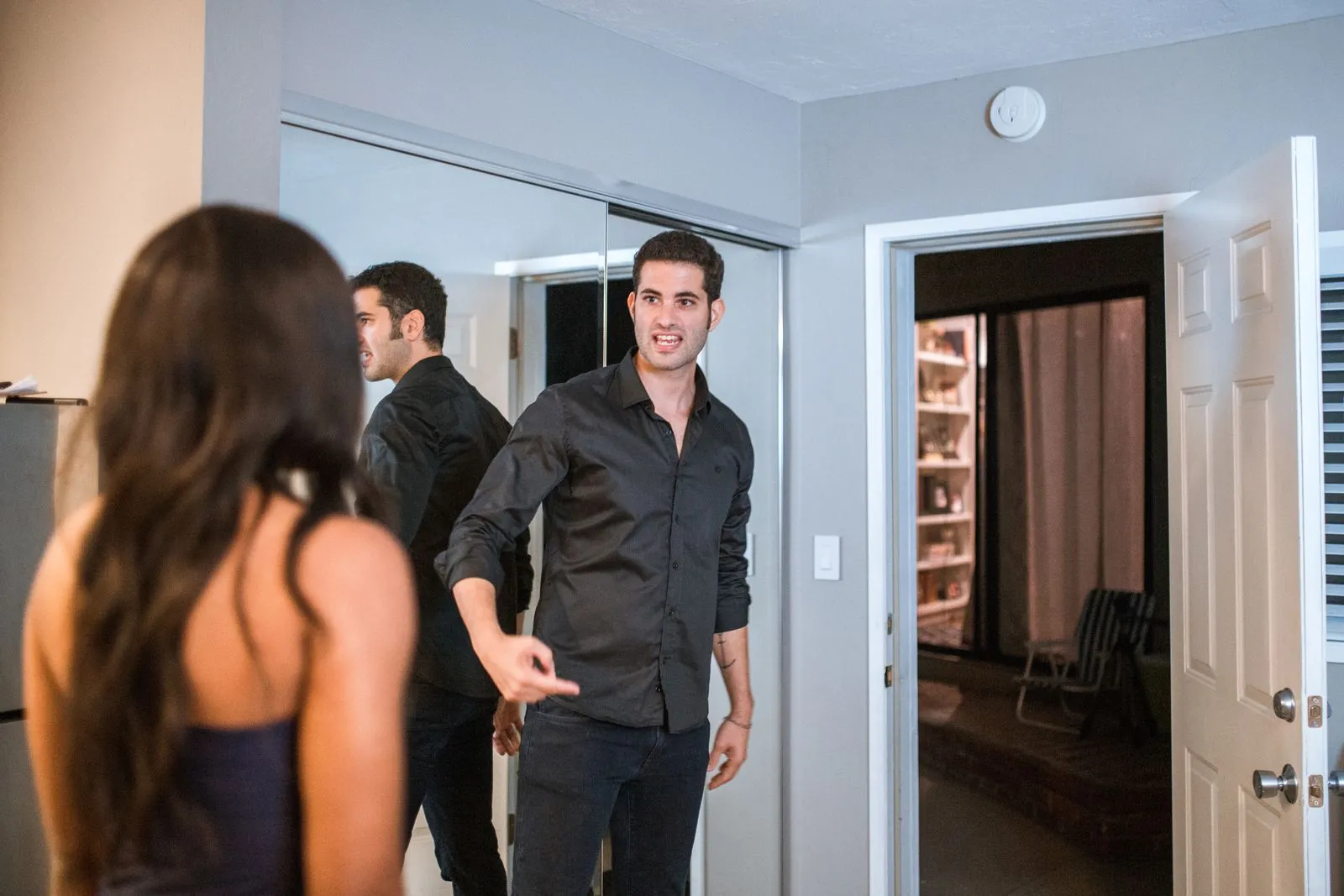
A pause can protect the conversation when either person is flooded, shouting, unable to listen, or tempted to punish. Say that you are pausing, name when you will return, and use the time to regulate rather than build a closing argument.
If there is intimidation, a threat, physical danger, or fear of retaliation, the priority is safety and support. A relationship conversation should never require someone to stay in danger.
- Name the pause clearly: “I need 30 minutes; I will come back at 7.”
- Do not use silence to make the other person chase you.
- Return when you said you would, or update the time honestly.
A six-step repair sequence
You can use this after a small rupture or as a structure for a harder conversation. Slow down if either person needs more context.
Return to contact
Start by confirming that both people are ready enough to talk and that the aim is understanding and repair.
Describe the facts
Say what happened in observable language. Avoid turning one moment into a permanent identity.
Name the impact
Explain what you felt, assumed, needed, or did afterward. Leave room for the other person’s experience to differ.
Take your responsibility
Own the specific choice that was yours without adding “but you made me.” Context can come after responsibility.
Apologize and receive
Offer a specific apology, then listen to what the impact was. The hurt person does not have to make the apology comfortable immediately.
Make a next agreement
Choose one observable change and say how you will revisit it if the same pattern appears.
A repair becomes credible when the next behavior is different.
What makes an apology useful
Name it
“I interrupted you repeatedly.”
Specific language shows that you understand the behavior, rather than only noticing that the atmosphere became unpleasant.
Impact
“I can see that it made you feel dismissed.”
You can acknowledge impact even if your intention was different. Impact is not cancelled by intent.
Responsibility
“That part was mine.”
Take ownership without quietly attaching a counter-accusation to the apology.
Change
“Next time I will ask before switching to solutions.”
A small behavioral plan gives the apology somewhere to go.
Explanation and apology do different work
Explanation
Adds context about what was happening for you.
- Useful after the impact has been acknowledged
- Can clarify a trigger or a need
- Does not remove your responsibility
Apology
Acknowledges the part that caused harm or distance.
- Names the behavior and impact
- Does not require the other person to be equally wrong
- Points toward a changed next action
After the conversation, check the repair
- Both people had a chance to describe their experience.
- The apology was specific rather than global or sarcastic.
- No one was pressured to say “it is fine” immediately.
- A small next agreement was made.
- The agreement has a realistic way to be remembered.
- You know what to do if the pattern repeats.
Questions people ask
What if my partner will not accept my apology?
You can offer a clear apology and changed behavior without controlling the other person’s timeline. Ask what repair would help, while accepting that trust may need repeated evidence.
Should we resolve every detail before moving on?
Not always. Aim for enough shared understanding, responsibility, and safety for the next step. Some details can be revisited after both people have rested.
What if we keep having the same conflict?
Stop treating it as only the latest incident. Map the repeating trigger, the escalation, the attempted repair, and the missing agreement. Outside support can help when the pattern stays stuck.
A strong repair does not promise that conflict will disappear. It shows that a rupture can be met with honesty, responsibility, and a next step both people can live with.