Lover

After a toxic or abusive relationship, ordinary uncertainty may feel dangerous and ordinary kindness may seem suspicious. Return to dating when you want to, without waiting to feel perfectly healed. Small experiences that you choose for yourself can help you rebuild trust in your judgment.
Rebuild a baseline before looking for chemistry
Start with the conditions that help you feel oriented. Protect your sleep, friendships, privacy, and money, and keep therapy or other support in place if you use it. Always know how you can leave a date. If dating leaves you frantic or disconnected from the rest of your life, take a pause.
Define “safe enough” through behavior you can observe. Look for consistent plans, respectful questions, and accountability after a mistake. Notice whether you can say no comfortably. These details tell you more than descriptions such as “nice” or “different from my ex.”
- What do I need in order to stay connected to myself while dating?
- Which behaviors are green flags for me now?
- Which early signals make me slow down or ask for support?
- How will I leave a situation that stops feeling safe?
Small ways to re-enter dating
Low stakes
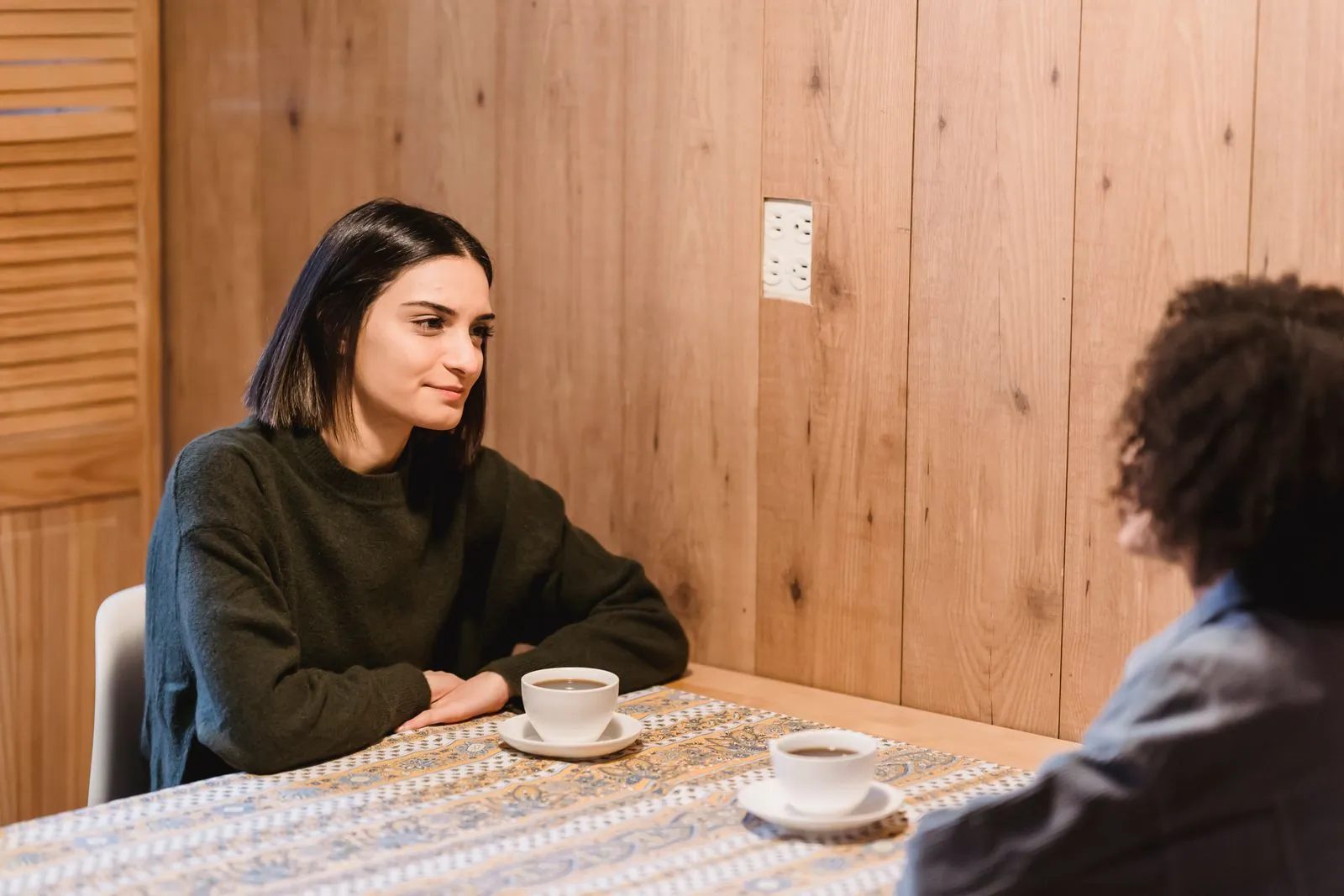
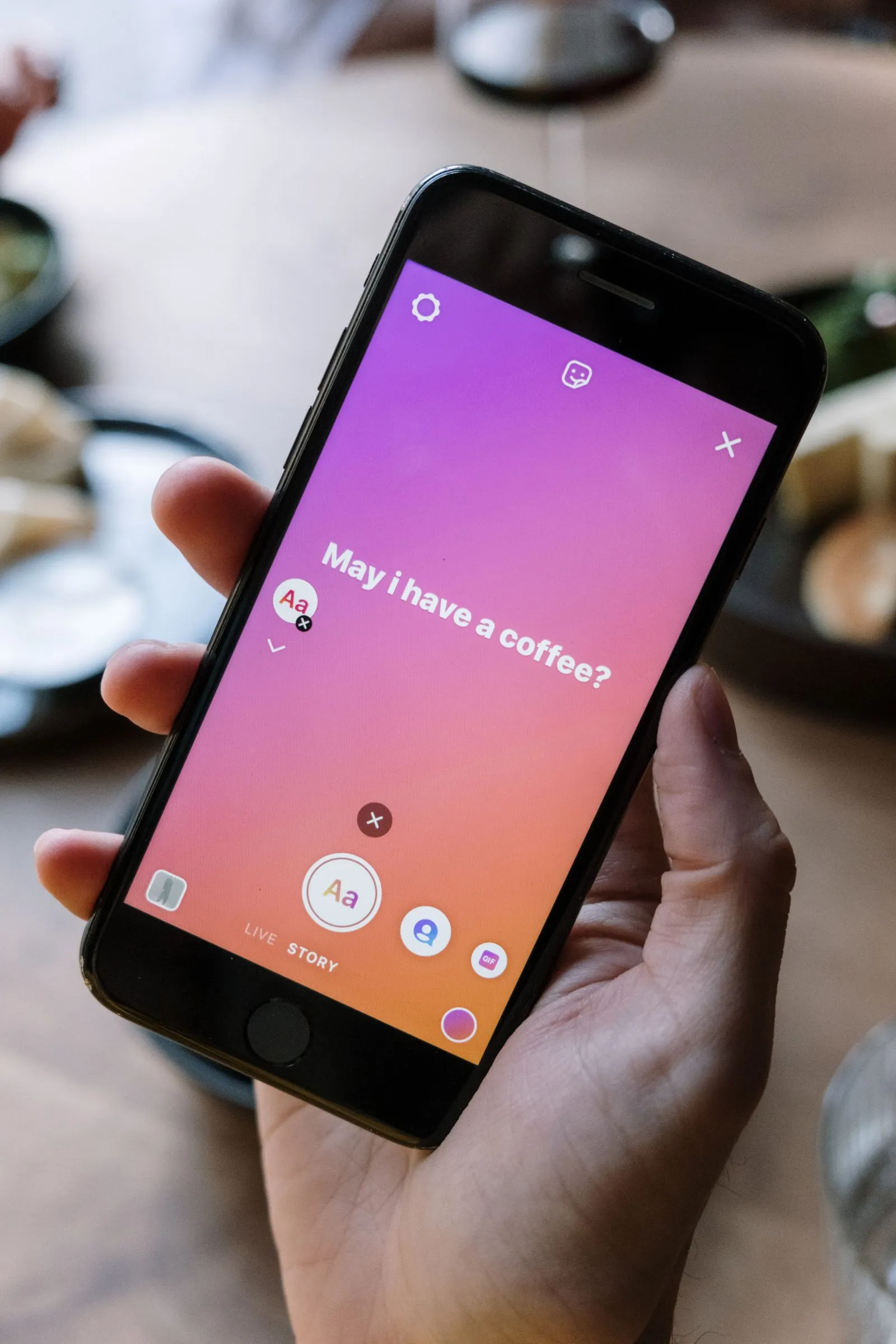
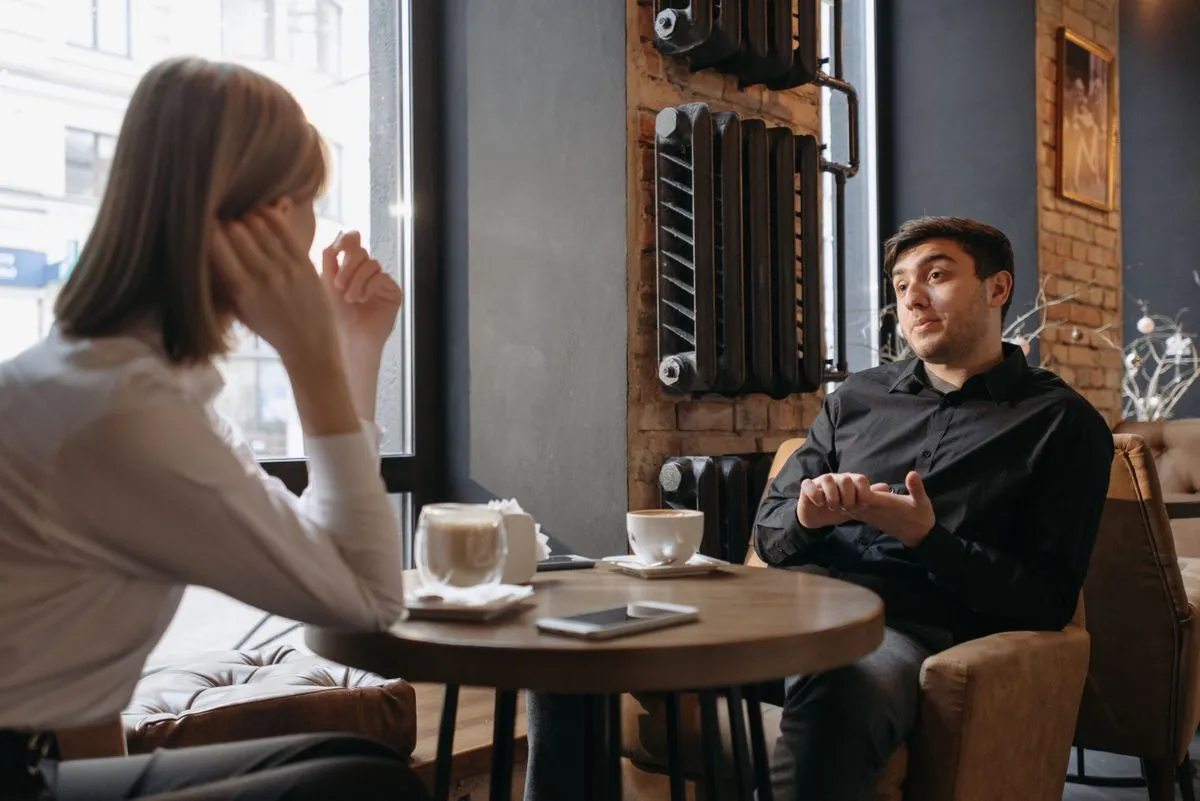
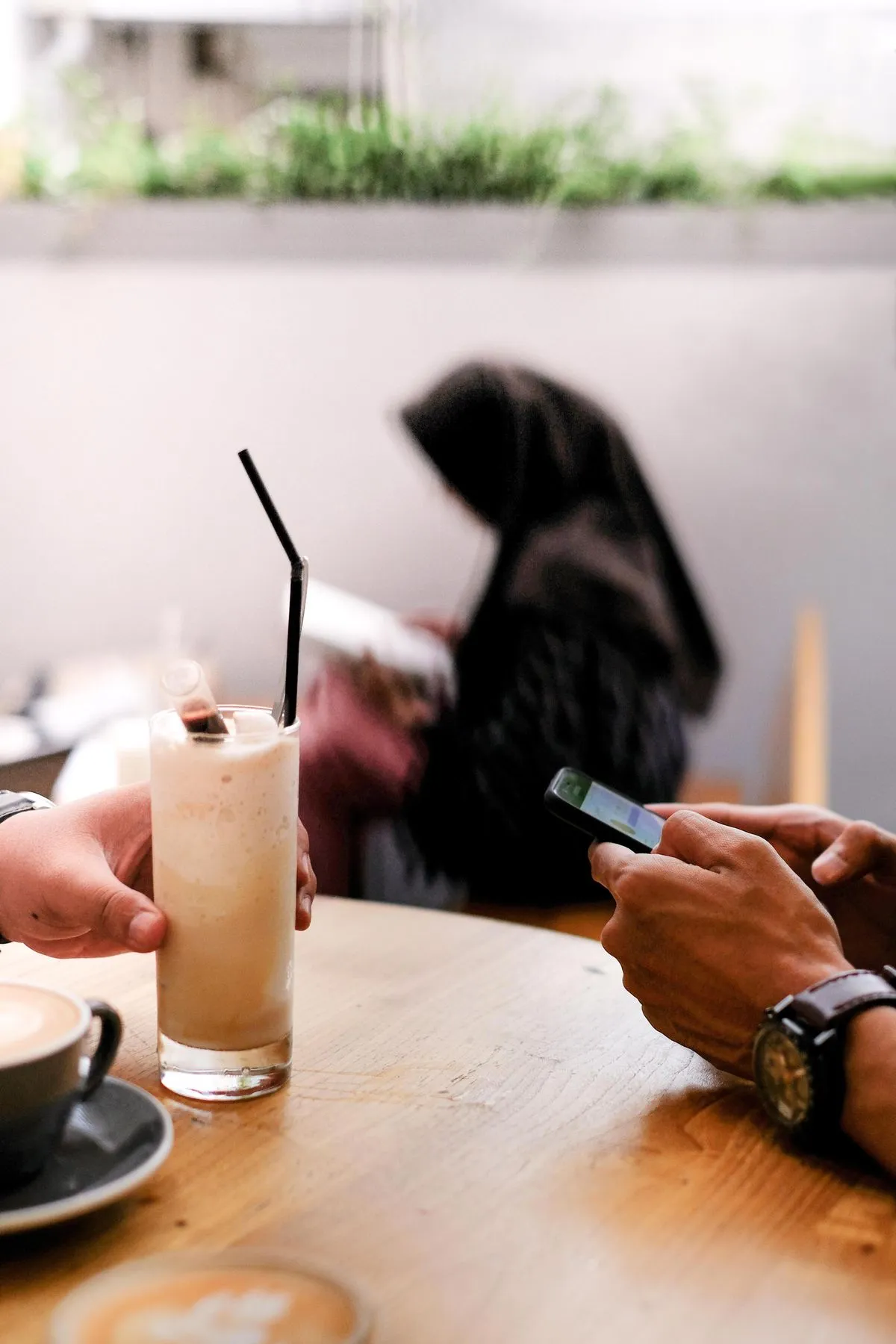
Have one short coffee
Choose a public place and set an end time. One date gives you information about how you feel together; it does not decide your future.
Support
Tell one trusted person
Share the plan and check in afterward. Choose someone who helps you hear your own judgment and leaves the decision with you.
Boundaries
Practice a small no
Notice how the person responds when you decline a second drink, change the plan, or prefer to go home.
Pacing
Keep your life in the frame
Do not abandon friends, routines, therapy, work, or financial independence to prove that a new connection is serious.
Reflection
Review the facts afterward
Write down what happened and how you felt. Separate your assumptions from the facts, then decide what you want to try next. Treat this as a chance to learn about yourself.
A gentle process for dating again
Choose readiness for today
Fearlessness is not required. Ask whether you have enough energy to stay present, leave if needed, and recover afterward.
Set one clear boundary
Decide what you want around time, touch, alcohol, communication, or personal disclosure before the date.
Watch the response to no
A person’s response to a small limit tells you more than a polished first impression.
Let trust be incremental
Share information and access in steps. A new person can earn more closeness through reliable behavior over time.
Adjust without self-blame
If the date feels wrong, leaving gives you useful information. A trigger may call for support or a pause. It says nothing shameful about your recovery.
Listen to your alarm, then check whether it responds to present behavior or an earlier experience.
When caution starts turning into isolation
Protective caution
- Keeps you in charge of pace and access
- Uses specific observations and boundaries
- Leaves room for safe people to earn trust
- Asks for support when memories get activated
Protective-looking isolation
- Treats every new person as the previous partner
- Requires certainty before any ordinary vulnerability
- Cuts off friends or support to avoid questions
- Makes your world smaller without improving safety
Before saying yes to another date
- I have enough energy to stay present today.
- I know how I will get home and who can check in.
- I can name one boundary I want to practice.
- I am curious about this person and am not using the date only to escape the past.
- I can slow down without apologizing for the pace.
- I have support if a memory, trigger, or red flag appears.
Questions people ask
How long should I wait before dating again?
There is no universal waiting period. You may be ready when you can choose your pace, notice present behavior, leave when needed, and recover with support that does not depend entirely on the new person.
What if I keep choosing familiar but unhealthy people?
Slow the process down and pay as much attention to consistency as you do to chemistry. Discuss the pattern with a qualified therapist or a trusted person who understands relationship harm.
Do I need to tell a new partner about my past relationship?
You can share what is relevant to your current boundaries and support needs when you feel ready. You do not owe a full history before trust has been built.
You do not have to pass a healing test before meeting someone. Approach dating as a series of small choices, keeping your safety and boundaries in view while staying connected to the rest of your life.