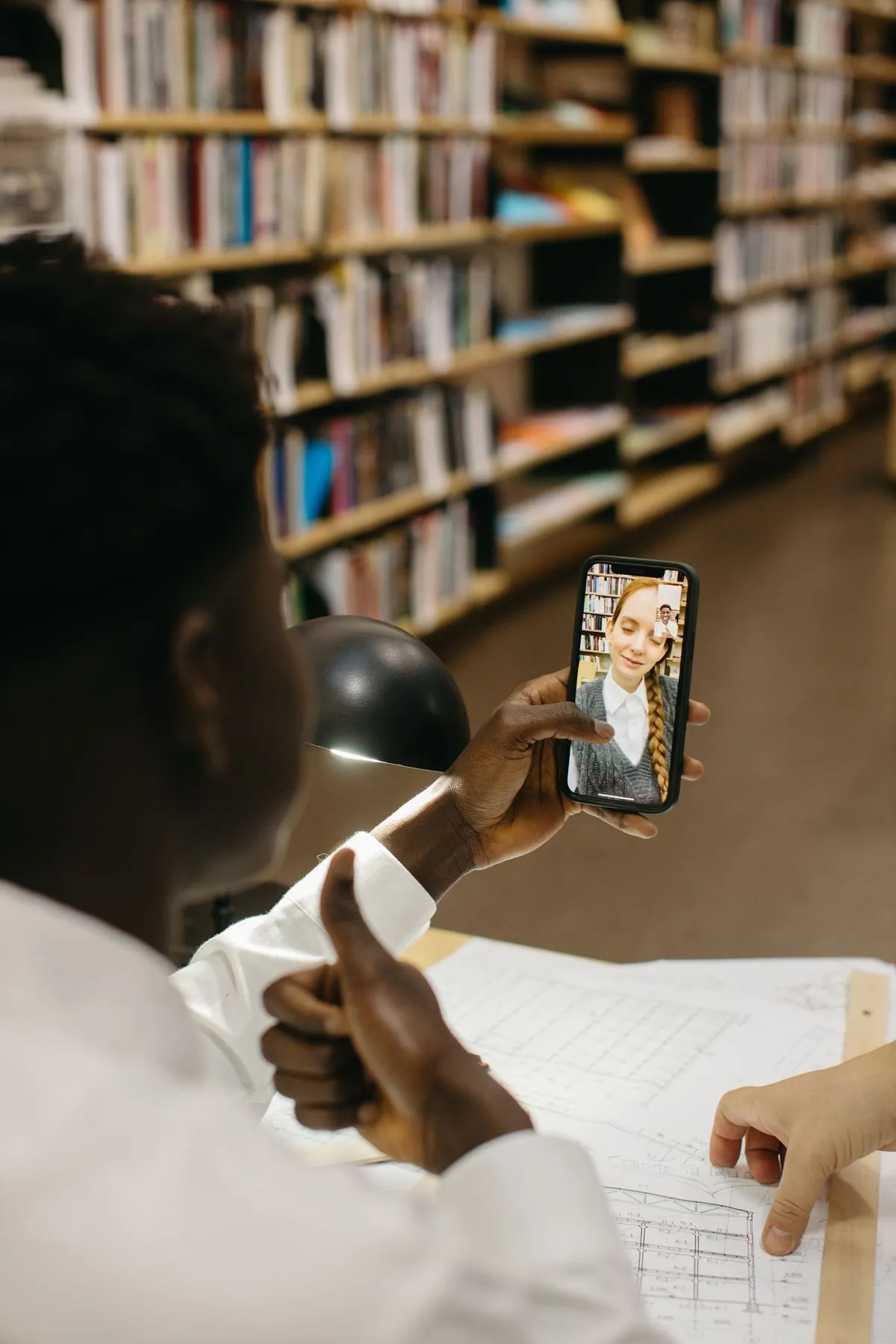
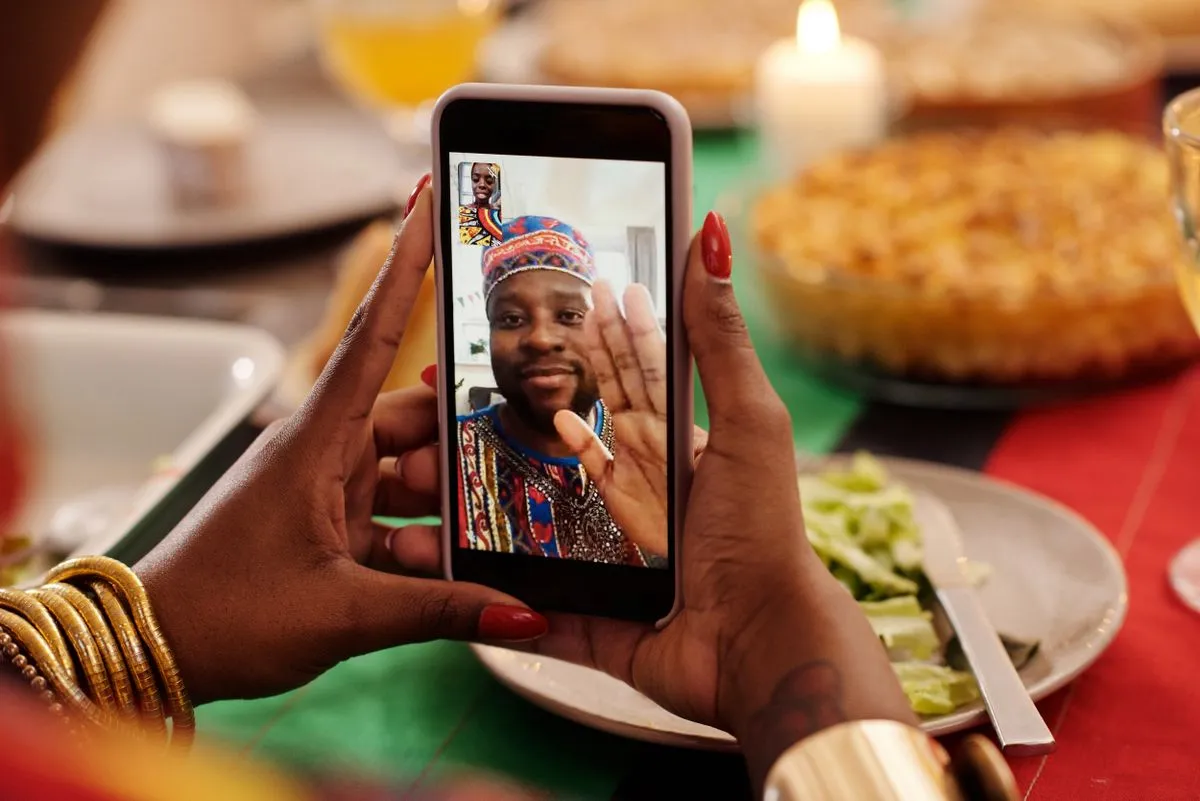
Lover
Pig butchering is a long-con investment scam. A person builds trust and then guides the target toward a fake trading platform. In dating, the romantic story makes financial advice feel personal. Never invest through someone you met online, no matter how long you have spoken or how real the dashboard looks.
The pattern is a relationship followed by a financial funnel
The name is unpleasant, but the method is clear: the victim is “fattened” with time, attention, and confidence before the financial ask arrives. A contact may present themselves as successful, disciplined, or unusually generous with advice. They do not necessarily ask for money on day one. The delay is part of the design because it lets trust carry the risk past your normal defenses.
The investment topic may enter as casual conversation: a screenshot of a good result, a story about a family member, or a comment that ordinary savings are losing value. When you show interest, the person offers to explain. Soon there is a platform, wallet, app, mentor, or “exclusive” opportunity that only works through their link. The romance and the transaction become one story.
The platform can display profits without allowing a withdrawal. A support agent may ask for tax, verification, liquidity, or release fees. Every obstacle is explained as temporary, and every payment is presented as the last step. A real balance shown on a screen is not the same as money you can independently withdraw.
Five stages to recognize
Warm contact
The person is attentive and patient. They learn your schedule, preferences, and hopes, creating a feeling that the relationship is becoming unusually close.
Authority story
They mention their expertise, a successful friend, a family business, or a private method. The goal is to make their advice feel safer than public information.
Small demonstration
You may be shown a minor gain or encouraged to use a low amount. The apparent success lowers resistance to a larger transfer.
Escalation
The conversation shifts from learning to depositing. They may ask you to borrow, liquidate, or use crypto because the transfer seems fast and irreversible.
Withdrawal trap
When you try to take money out, a new fee or problem appears. The person may become frantic, blame you, or disappear.
Why dating makes this version especially dangerous
Trust
Advice sounds like care
A suggestion from a romantic contact can feel like encouragement from a partner. That emotional context can hide the fact that the person benefits when you deposit.
Speed
Crypto removes familiar friction
A wallet transfer may be difficult to reverse. “The blockchain is fast” is not a reason to skip verification; it is a reason to pause before sending.
Proof
Screenshots are easy to stage
Balances, testimonials, licenses, and chats with supposed analysts can all be fabricated. Verify the company independently and do not use contact details supplied by the stranger.
Recovery
The second scam may follow
After a loss, someone may offer to recover your funds for an upfront fee. Treat unsolicited recovery promises as another danger signal.
The financial boundary that keeps the decision simple
Make the decision before you are asked: you do not invest, lend, trade, or open a wallet because a dating contact recommended it. This is not a judgment about their profession or a claim that every investment is fraudulent. It is a separation rule. Dating is an emotional context; investing requires independent research, regulated channels where applicable, and the ability to walk away without damaging a relationship.
If someone says the opportunity is private, time-limited, guaranteed, or available only through them, stop. Legitimate investments can carry risk, but a stranger’s urgency is not market analysis. Ask what happens if you decline. If the answer is anger, ridicule, guilt, or a threat to the relationship, you have learned more about the connection than any chart could tell you.
Do not borrow to satisfy a romantic contact. Do not share your banking login, seed phrase, one-time passcode, tax document, or screen through remote-access software. Banks and legitimate platforms do not need a dating partner to mediate your account. If the other person is truly successful, they can afford to keep your finances out of the relationship.
For current warnings and reporting options, use official consumer-protection, financial-regulator, or law-enforcement sources in your country. Do not rely on links sent by the person who is trying to persuade you.
Independent investing versus a dating pitch
Independent decision
- You choose the provider yourself
- You can read risks and fees without pressure
- You do not need secrecy
- The relationship is unaffected by your answer
Scam-shaped pitch
- The contact supplies the link or “mentor”
- A deadline replaces due diligence
- Returns are promised or displayed as certainty
- Your affection is used to overcome doubt
If you already transferred money
Act quickly, but do not panic-transfer more money to fix the first transfer. Contact your bank, card issuer, payment service, or crypto exchange through an address you locate independently. Explain that you may be the victim of fraud and ask what reversal, freeze, or account-protection steps are still possible. Time matters, but no provider can guarantee recovery.
Preserve the full trail: usernames, phone numbers, wallet addresses, transaction IDs, domains, screenshots, receipts, and the dates of requests. Do not edit the conversation before saving it. Report the account and the platform. If your identity documents or passwords were exposed, follow the relevant local identity-protection and account-recovery procedures.
Expect complicated feelings. The person may have been fake, but your feelings were real. Tell a trusted person and consider professional support if shame, fear, or pressure is keeping you isolated. You are allowed to seek help without first proving that you were “careful enough.”
Why the platform can look professional
A fake investment site does not need to fool a financial regulator or an experienced trader forever. It only needs to display a believable balance while you are deciding whether to deposit more. The interface may show charts, account levels, customer support, and withdrawal instructions. Those features are decoration until money reaches an account you control through an independently verified provider.
A person may encourage you to start small, then celebrate a visible gain. They can suggest that you are learning quickly and that a larger deposit will unlock a better return. This turns caution into a character test: if you hesitate, you are told that you lack courage or do not believe in the future you discussed together.
Fees are the trap’s final language. Tax, compliance, liquidity, validation, and transfer charges can each sound technical. Do not pay a new fee to access a balance you cannot verify independently. Contact a bank, exchange, or regulator through details you find yourself, and ask whether the platform or wallet has a known fraud pattern.
Never install remote-access software so a romantic contact can “help” you trade. It can expose passwords, banking sessions, and personal files. A legitimate adviser does not need control of your device.
Keep the romantic and financial timelines separate. The longer you have talked is not a reason to increase the deposit. It is a reason to protect the relationship from a request that could permanently change it.
Stop signs in the investment conversation
Control
Their link is the only route
You cannot independently locate the provider, regulator information, or withdrawal process.
Return
The outcome sounds certain
Guaranteed profit, no-risk language, or a private “secret” opportunity should stop the conversation.
Escalation
The amount keeps growing
A small deposit, a higher tier, and a final fee create a ladder that is difficult to leave.
Isolation
Advice is treated as betrayal
A person who asks you to hide the investment from your bank, friends, or family is protecting the scam, not the relationship.
Recovery begins with stopping the flow
If a platform says one more payment will release your money, do not make that payment. The displayed account may be part of the deception. Contact the provider where the transfer began, preserve wallet addresses and transaction IDs, and report the incident through official channels.
Be suspicious of direct messages promising recovery. A second person may claim to be a lawyer, investigator, hacker, or exchange employee and ask for an upfront fee. Verify any professional independently and never share more credentials to prove the loss.
Common questions
What if they never ask me to send money directly?
If the relationship leads you to a platform, wallet, or investment channel they control or recommend, the risk is still present. Separation is safer than waiting for a direct request.
Can a real person be used in the scam?
Yes. Accounts, photos, voices, and identities can be copied or misused. Focus on the financial behavior, not only on whether the face seems familiar.
What if I made a profit at first?
A visible early profit can be part of the lure. Verify withdrawals and provider information independently. A dating contact should not be your source of investment access.
Protecting your money supports an honest connection. No partner, new or established, should need access to your funds to prove that the relationship is real.