Lover
An unsolicited intimate photo can be shocking, invasive, or exhausting. You can close the chat without explaining your reaction. First protect your comfort and safety. Then choose whether to write a boundary, report the account, or leave without another message.
What to do first
Protect your attention
Close the preview, put the phone down, or ask someone you trust to sit with you while you handle the screen. You can care for yourself before investigating the sender.
Decide whether to preserve evidence
If you may report harassment, threats, or repeated contact, save the profile name, date, and relevant messages when that feels safe. Do not send the intimate image to friends or group chats.
Report and block
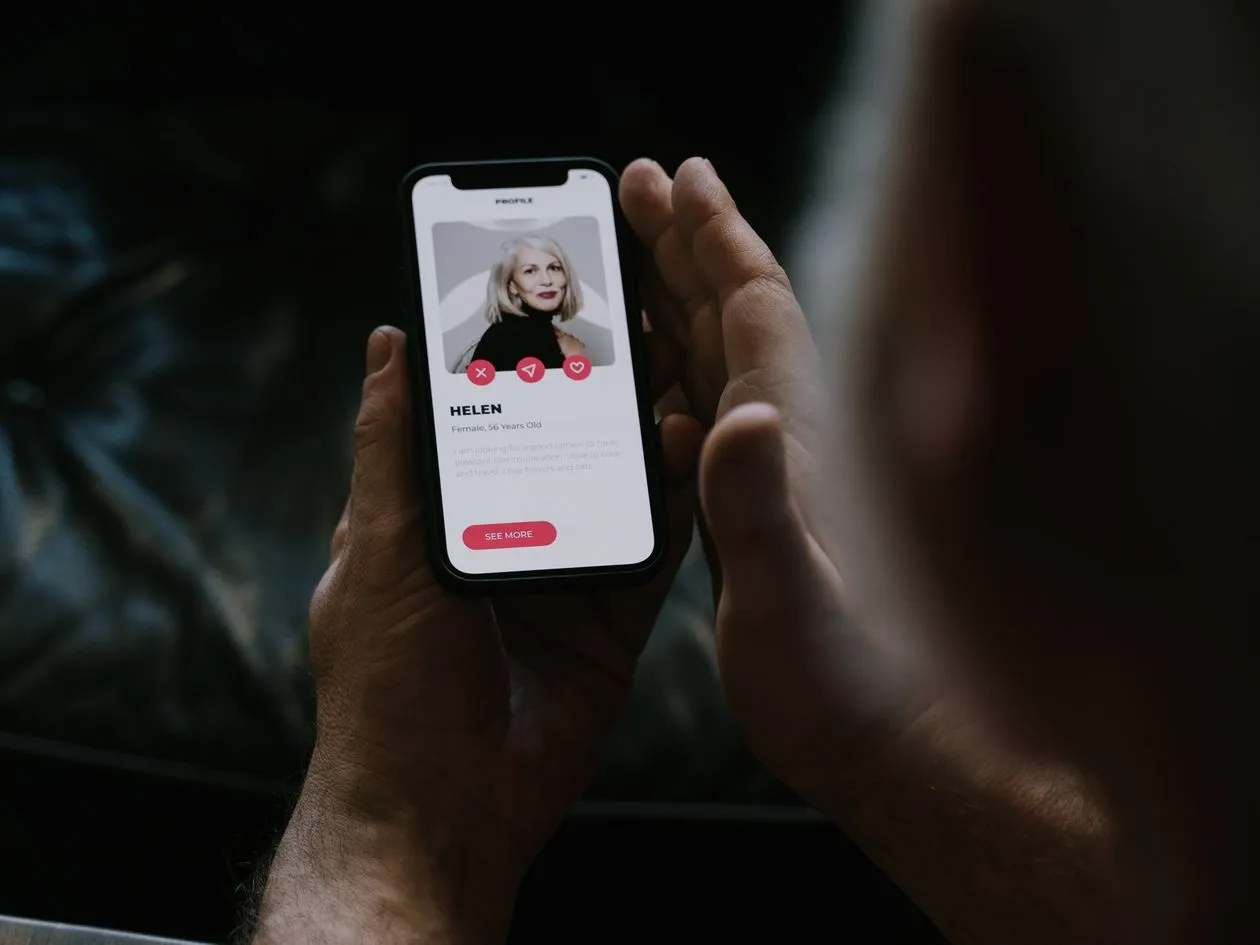
Use the dating app’s safety tools when they are available. A report gives the platform information to review. Blocking or unmatching removes the sender’s immediate access to you. You can do both.
Tell one supportive person
You can say, "Someone sent me something I did not consent to. Can you stay with me while I report it?" You do not have to retell every detail to deserve support.
Get more help when the risk is real
If the person threatens you, knows where you live, continues from other accounts, or threatens to share your images, contact a local support service, law enforcement, or an emergency service that fits your location.
You are not responsible for managing the sender’s embarrassment or anger.
If you answer, keep it short
Clear boundary
"I did not ask for this"
"I did not consent to receiving an intimate image. Do not send anything like this again." Then stop engaging if you want to.
End contact
"I am leaving the chat"
"This crossed my boundary, so I am ending the conversation now." You do not need to answer follow-up questions.
No access
No reply at all
Block, report, and leave. Silence is enough when the sender has already ignored consent.
Threats
Do not bargain
If the person threatens exposure, demands money, or keeps contacting you, preserve safe evidence and seek local specialist support. You do not have to negotiate alone.
After you report
A report can still matter when the platform cannot give you the outcome you hoped for. It records a boundary violation and gives the service information about behavior that may affect other people. Follow the platform’s instructions while protecting your own account and access.
You may feel angry, embarrassed, numb, or responsible for the sender’s behavior. None of those reactions means you invited the image. The sender chose to send sexual content without consent. Take a break from dating if you need one, and return when the app feels like a choice again.
If the image comes with threats, blackmail, or material shared without permission, or if a person may be underage, seek qualified local advice. Do not forward the content as proof. Describe what happened through the appropriate reporting or support channel.
You can write a firm boundary, or leave without writing one. Your safety decides the format.
Questions after receiving an intimate photo
Do I have to tell the sender I disliked the photo?
No. You can report, block, and leave without replying. A boundary message is optional and should not cost you your comfort.
Should I save the image for a report?
Use the platform’s reporting flow and follow its instructions. Save only information that feels safe and necessary, such as the profile and timestamp. Avoid forwarding intimate content.
What if I already replied politely?
You can still end contact. One polite reply does not obligate you to keep explaining or accept another image.
An unwanted intimate photo is a boundary violation. Protect your attention, use the reporting and blocking tools available, and choose the amount of contact that feels safest.