Lover

Blocking sets a boundary, while reporting gives the platform information. You do not need courtroom-level proof before using either tool. Threats, pressure, harassment, financial requests, identity deception, hate, and sexual boundary violations are valid reasons to end contact and ask for help.
When blocking is the right next step
Pressure
They ignore a clear no
Repeated requests, sexual messages after you decline, demands for your number, or attempts to move you somewhere private are enough. You do not need to keep explaining.
Threats
They frighten or blackmail you
Threats to harm you, expose images, contact your workplace, or publish personal details should end the conversation. Save evidence before blocking when safe.
Money
They ask for payment or access
Requests for money, codes, documents, crypto, gift cards, or use of your account are reasons to stop and consider a fraud report.
Hate
They target identity or vulnerability
Slurs, dehumanizing messages, outing threats, and targeted harassment should not be answered to prove your resilience.
Blocking and reporting do different jobs
Blocking stops or limits contact from the account, depending on the service. It is the fastest way to protect your attention and reduce access. Reporting sends the platform information that may help it investigate, remove content, warn other users, or connect patterns across accounts. You can do both, but you do not need to report before you block if continuing the chat feels unsafe.
A report is strongest when it describes observable behavior and includes the relevant context: what was requested, when the pressure began, whether money or threats were involved, and which account or phone number was used. Do not exaggerate or publish a personal accusation. Let the service assess the evidence.
If the issue involves immediate danger, stalking, sexual assault, identity theft, or financial fraud, the platform may not be the only place to report. Contact local emergency services, a qualified support organization, your bank, or law enforcement as appropriate.
A practical report-and-exit sequence
Pause the conversation
Do not keep replying to provoke a clearer threat or confession. Your safety is more important than a complete chat transcript.
Save key evidence
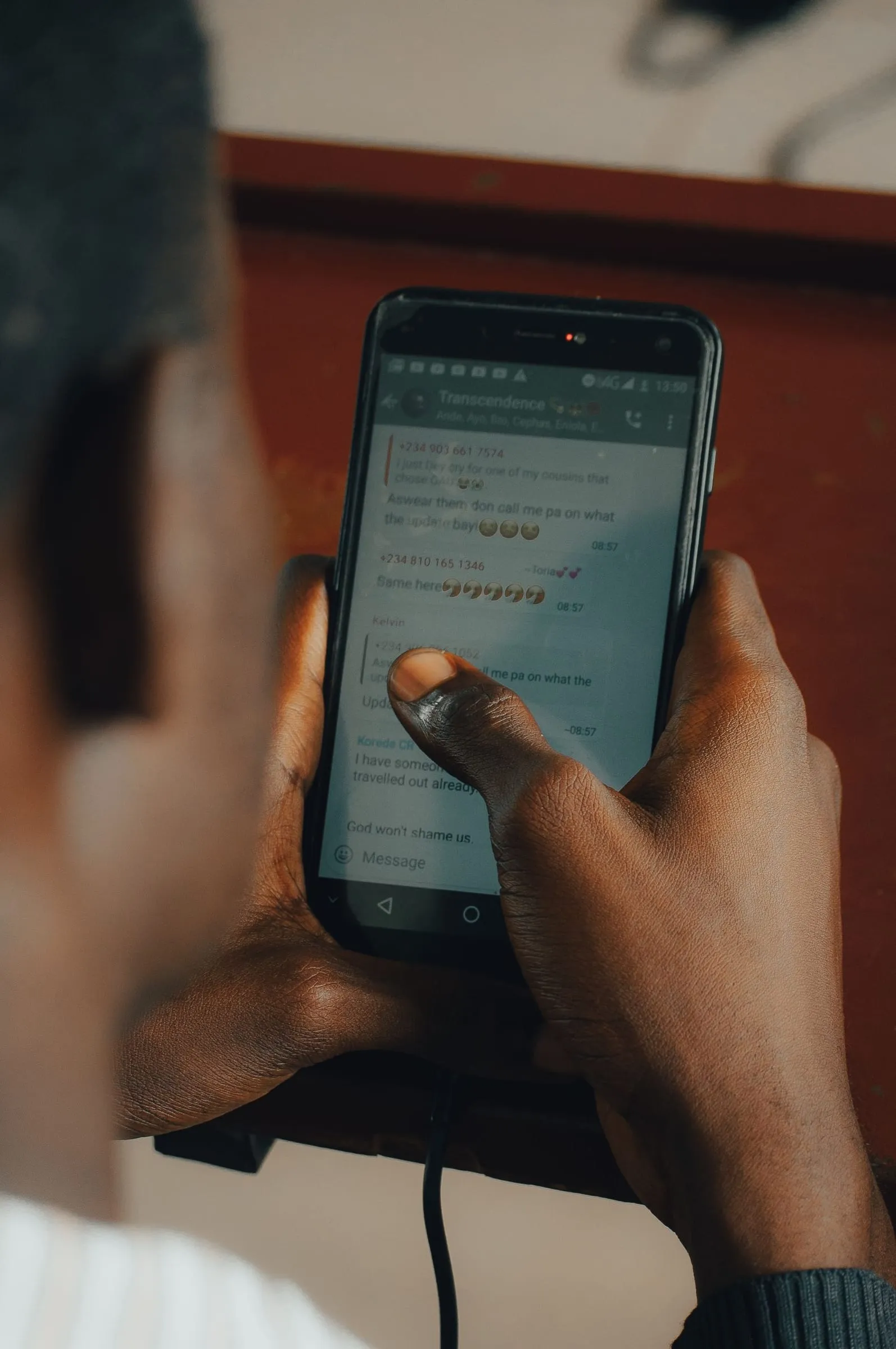
Capture the profile, username, dates, threats, payment details, links, and relevant messages. Keep originals where possible.
Protect accounts
Change exposed passwords, revoke sessions, enable multi-factor authentication, and contact financial providers if needed.
Report through the official tool
Choose the closest category and describe facts. Include evidence only through the platform’s secure flow.
Block and tell someone
Use the block tool, adjust privacy settings, and tell a trusted person what happened so you are not carrying it alone.
How urgent is the situation?
End contact and report
- Persistent sexual pressure
- Impersonation or stolen photos
- Money or crypto requests
- Hate, blackmail, or threats
Seek immediate help
- A credible threat of violence
- Someone knows your address and is approaching
- Suspected assault or medical emergency
- Account or financial takeover in progress
Save evidence without putting yourself at greater risk
Screenshots can help, but do not place yourself in danger to collect them. Do not meet the person to obtain proof, send a provocative reply, or announce that you are reporting. If saving intimate images would create additional harm or violate local law, ask a qualified support service how to preserve the relevant information safely.
Store evidence somewhere the other person cannot access. Remove identifying details if you need to share it with a friend for support. When contacting a bank, service provider, or authority, use a verified official channel rather than a link sent by the person who contacted you.
If the person creates new accounts after a block, do not negotiate. Save the new usernames, tighten privacy settings, report the repeat contact, and ask local support about stalking or harassment resources if the pattern continues.
Platform procedures and legal definitions vary. This is a safety guide, not a substitute for local emergency, medical, or legal advice.
You are allowed to block before you feel certain
Many people delay because they worry about being unfair. They imagine an innocent explanation, feel responsible for the other person’s disappointment, or think a polite ending requires one more conversation. You can choose the least dramatic option: no debate, no accusation, no final essay. End access when the interaction no longer feels safe or welcome.
A block is not a verdict about a person’s entire life. It is a decision about your access to them. You can make it based on your own comfort, and you can change other settings later if needed. Your boundary does not require their agreement.
If the person is genuine and respectful, they will not need access to you in order to prove it.
Choose the response that fits the harm
A rude message and a credible threat do not require the same response, but both can justify ending contact. For ordinary unwanted attention, block and report when you are ready. For blackmail, stalking, intimate-image threats, or financial fraud, preserve the important facts and ask a trusted person or local service what additional protection is available.
If an account seems to be impersonating somebody, include the original person’s public profile only if it is relevant and safe. Do not contact the impersonated person yourself to demand an explanation. If you are reporting hate or targeted harassment, describe the identity-based content and its impact without repeating unnecessary slurs in public.
When a date becomes physically unsafe, leave first. You can report later from a safer device. A platform form is not an emergency line, and waiting for a moderation response should not be part of your immediate safety plan.
If money was sent, contact the payment provider independently and ask about fraud steps. Do not pay an alleged investigator or recovery specialist who contacts you after the loss.
If you are supporting a friend, ask before forwarding their screenshots. Evidence can contain names, intimate images, and locations. Share only what the chosen service needs.
What to include in a useful report
Who
Account identifiers
Include the username, profile link, phone number, or payment handle as it appeared. Avoid public doxxing.
What
Observable behavior
State the request, threat, copied image, slur, or boundary violation rather than guessing at motives.
When
Dates and sequence
A short timeline helps a platform connect repeated accounts or escalating contact.
Impact
Immediate risk
Say if the person knows your address, has threatened you, or has access to an account or payment.
Reset your digital boundary afterward
Review who can message you, find you by phone or email, tag you, or see your friends and location. Change your profile photo or username if the person keeps creating new accounts, but do not feel responsible for disappearing from the internet entirely.
Keep a short record of repeat contact. Patterns are easier to explain when you do not have to reconstruct them from memory. Ask a trusted person to hold the record if seeing the messages is distressing.
Do not escalate just to make the report stronger
It can be tempting to keep answering so the person says something worse. That often gives them more access to your attention, location, or emotions. A report does not need a dramatic final exchange. Describe what already happened and end contact.
If the person sends a new account, do not warn them that you will report again. Save the identifier, tighten settings, and use the platform’s tools. If the pattern moves offline or becomes threatening, ask local support about stalking and harassment options.
A friend can help you decide what to save, but avoid sharing intimate images or identifying details widely. Send the minimum needed to a trusted person or official service.
You do not need permission to block
Comfort
The interaction feels wrong
Your discomfort is enough to end access, even without a provable violation.
Privacy
They keep asking for details
Repeated requests for an address, account, or intimate image are a boundary problem.
Safety
They ignore your exit
Someone who continues after you say goodbye is not entitled to another answer.
Clarity
You have enough information
A block is a decision about your contact, not a public verdict.
After the report, return to your own life
Moderation can take time and the outcome may not be visible to you. Do not keep checking the profile or waiting for an explanation. Mute alerts, ask a friend to help monitor repeat contact, and focus on the settings and support you can control.
If the person had access to your address, workplace, intimate images, or accounts, make a concrete plan for each risk. Tell building staff, contact a provider, or seek a local advocacy service where appropriate.
Being blocked by someone else or receiving a false counter-report can feel destabilizing. Keep your factual record, avoid public arguments, and use the platform’s appeal process if you need it.
Ending contact is still a successful safety action even when the platform never gives you a satisfying answer.
Questions about blocking and reporting
Should I explain before blocking?
No. If you want to send one sentence, keep it brief. If contact feels unsafe, block without another message.
What if I am not sure it violates the rules?
Report the observable behavior and let the platform decide. You do not need to interpret its policy perfectly.
Can I report after blocking?
Often yes, but save the profile and messages first because some services make the account harder to find after blocking.
You do not owe continued access to someone who creates fear, pressure, or harm. Preserve useful information, report through the right channel, and put your safety first.