Lover
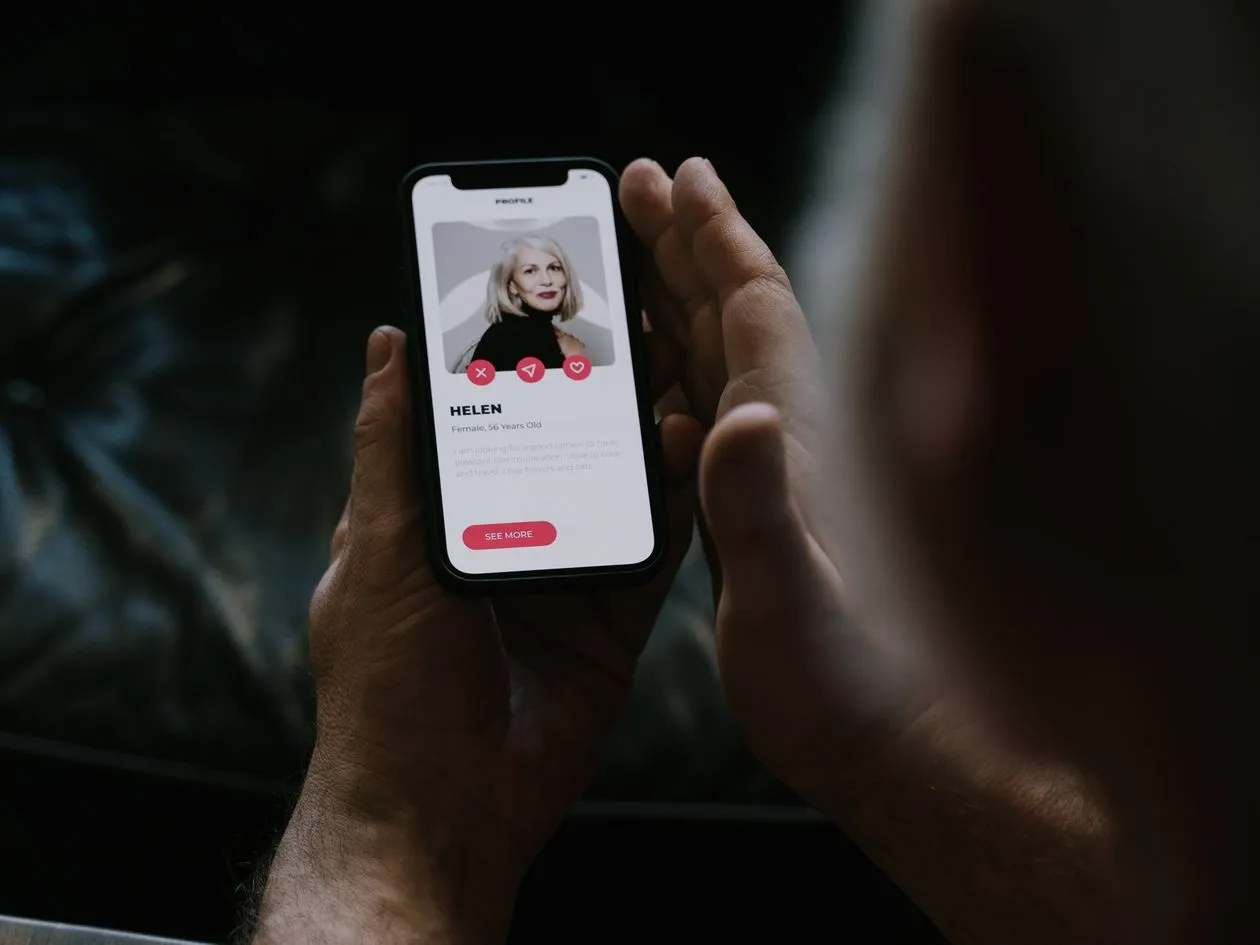
A dating profile can communicate sexual openness while keeping your boundaries clear. Separate what you are curious about, what you want now, and what belongs in a private conversation.
Separate what you want from what you share
“Open to casual dates” describes a current direction. “I enjoy talking about sex and desire” describes a topic you are comfortable discussing. Neither statement answers questions about your body, history, fantasies, health, or limits. Share those details gradually and voluntarily.
Give a respectful match enough information to decide whether the broad direction fits. Keep language ready for ending a conversation if someone turns openness into pressure.
- Intention: what kind of connection you are open to
- Pace: when you prefer to discuss sex or meet in person
- Boundaries: what you do not discuss or receive in the app
- Consent: the specific agreement required for any next step
- Privacy: what stays out of a public profile entirely
Give enough information to make a choice
Useful profile language
- “Open to casual dating with honest communication”
- “Interested in chemistry and a respectful, low-pressure pace”
- “I like direct conversations about boundaries”
- “Not looking for a secret or a rushed situation”
Details to keep for trust
- Explicit descriptions or intimate images
- Medical and sexual-health history before it is relevant
- Information that identifies your home or workplace
- Anything you would share only after a clear conversation
Profile lines that set the tone
Exploring
“Curious about chemistry without forcing a label”
This leaves room to discuss what “chemistry” and pace mean to each person.
Casual
“Open to casual connection; honesty and safer sex are non-negotiable”
Casual dating can still include care, communication, and the right to change your mind.
Conversation first
“I enjoy frank conversations about desire, not unsolicited messages”
The line puts openness and the boundary together.
Write an open profile without inviting disrespect
Decide what a stranger needs to know
Choose the connection type, pace, and one important boundary. People you have not met do not need a complete sexual biography.
Use positive, specific language
Say what you welcome, such as curiosity, honesty, a slow conversation, or safer-sex planning. A profile made entirely of prohibitions is hard to read.
Keep consent separate from attraction
A suggestive photo, a match, or a flirtatious line does not answer whether you want a specific act or conversation. Keep that distinction clear.
Plan the first boundary message
Try: “I am open to talking about desire, but not to receiving explicit photos. If that is not your style, we are not a fit.”
Watch the first response
Respectful curiosity is useful data. Mocking, pressure, sexual assumptions, or attempts to negotiate your “no” are reasons to end the conversation, block, or report.
Openness can show who respects a boundary. It never promises access.
Questions people ask
Should I put my sexual preferences in my profile?
Share only the level of information that helps the people you want to meet understand your broad intention. Specific preferences can wait for a private, consensual conversation when they become relevant.
Why does an open profile attract rude messages?
Some people confuse openness with universal availability. Your profile cannot prevent every disrespectful approach, so pair clear wording with boundaries, privacy controls, and a willingness to leave the interaction.
Can I change my mind after saying I am open to something?
Yes. Consent and intention are revisable. Tell the other person clearly, stop the activity or conversation, and do not let an earlier profile line overrule your present choice.
A sexually open profile can be honest and selective. Name the direction, protect the details, and notice how people respond when you set a limit.