Lover

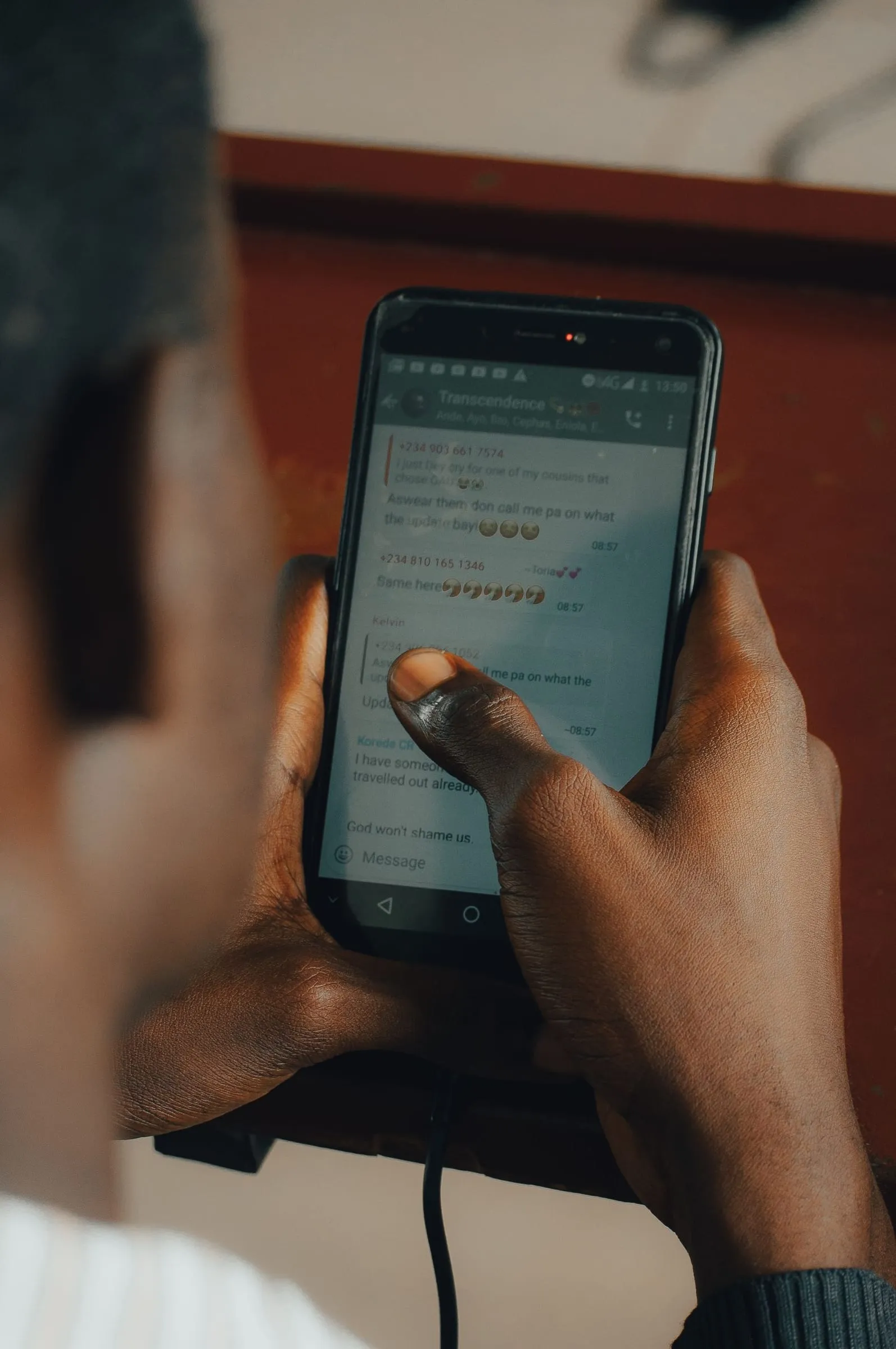
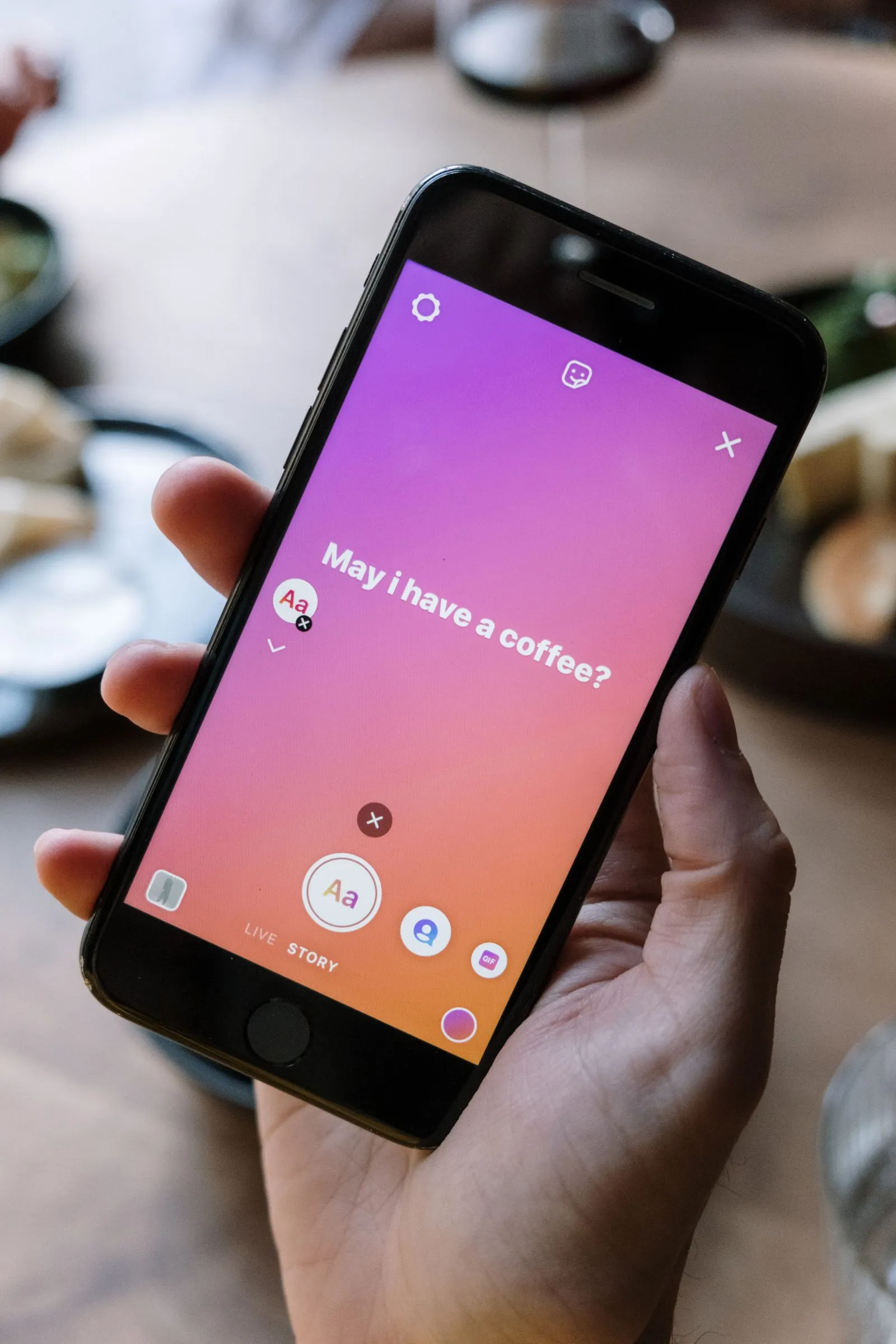
A chat can go quiet without either person making a clear decision. Work fills the week, a question lands badly, the thread gets lost, or the first burst of novelty fades. If you still want to continue, send one message with context and a real detail. Leave the other person room to decide.
Decide whether you want this conversation back
Before you write, decide what you want the message to do. You may want to learn more, acknowledge that you dropped the thread, suggest a call, or soothe the discomfort of being left on read. Those feelings are understandable, but they call for different messages. A note sent only for reassurance can make the waiting harder.
If you were the one who stopped replying, a plain acknowledgment is enough. You do not need to defend every detail of your calendar. If the other person went quiet, make one low-pressure attempt and let the reply set the next limit. Do not move from the dating app to their social accounts to force an answer.
Reopen the chat because you are curious about the person today. The old momentum may return in a different form, or the reply may show that the connection has ended. Either result is clearer than guessing.
If a second unanswered message would feel awful, check that you are writing from interest rather than panic.
Four low-pressure ways to restart
Own the pause
"I dropped the thread"
"I disappeared into a busy week, sorry about that. I would still like to hear how your concert went." Naming the pause is warmer than pretending it did not happen.
Use a shared detail
"This reminded me of you"
"I passed a tiny bookstore today and remembered your recommendation. Have you found anything good lately?" Send it because the detail is genuine, not to test whether they rush back.
Offer a next step
"Shall we meet?"
"I have enjoyed talking. Would you like a short coffee next week, or would you rather leave it here?" A clear option is easier to answer than another generic check-in.
Keep it light
"A small question"
"Important question: what is the best rainy-day plan, a movie, soup, or a long walk in the wrong shoes?" A playful prompt can reopen a thread without pretending you already know each other well.
Try a one-message reset
Read the old thread once
Find a real detail or an unanswered question. Skip the hunt through timestamps for the exact moment you were rejected.
Write two sentences
Use one sentence to acknowledge the pause and the next to offer a detail, question, or plan. A short message leaves room for a choice.
Send it once
Choose a time when you can put your phone away afterward. The message should not turn into an all-day search for reassurance.
Let their effort answer
A thoughtful reply, a question back, or an alternative plan shows room to continue. A one-word answer may call for a slower pace. Silence means pause your investment.
Close the loop for yourself
If there is no response, skip the harsher final message and do not search for another channel. Move the chat out of your active attention and keep your boundaries intact.
Reopening a conversation is an invitation. It does not give you a claim on someone else’s attention.
Questions about restarting a quiet chat
How long should I wait before restarting?
There is no universal interval. Write when you can send a calm message and accept either answer. A few days, two weeks, or longer can make sense depending on what happened.
What if they reply but stay vague?
Ask one clear question or make one concrete invitation. If they still avoid substance or a plan, accept the pattern and stop carrying the conversation alone.
Should I restart after an unmatch?
No. An unmatch is a clear boundary. Do not look for the person on another platform to continue contact.
A quiet chat can deserve one gentle return. Say why you are back, offer something real to answer, and let the reply show whether there is room to continue.