Lover
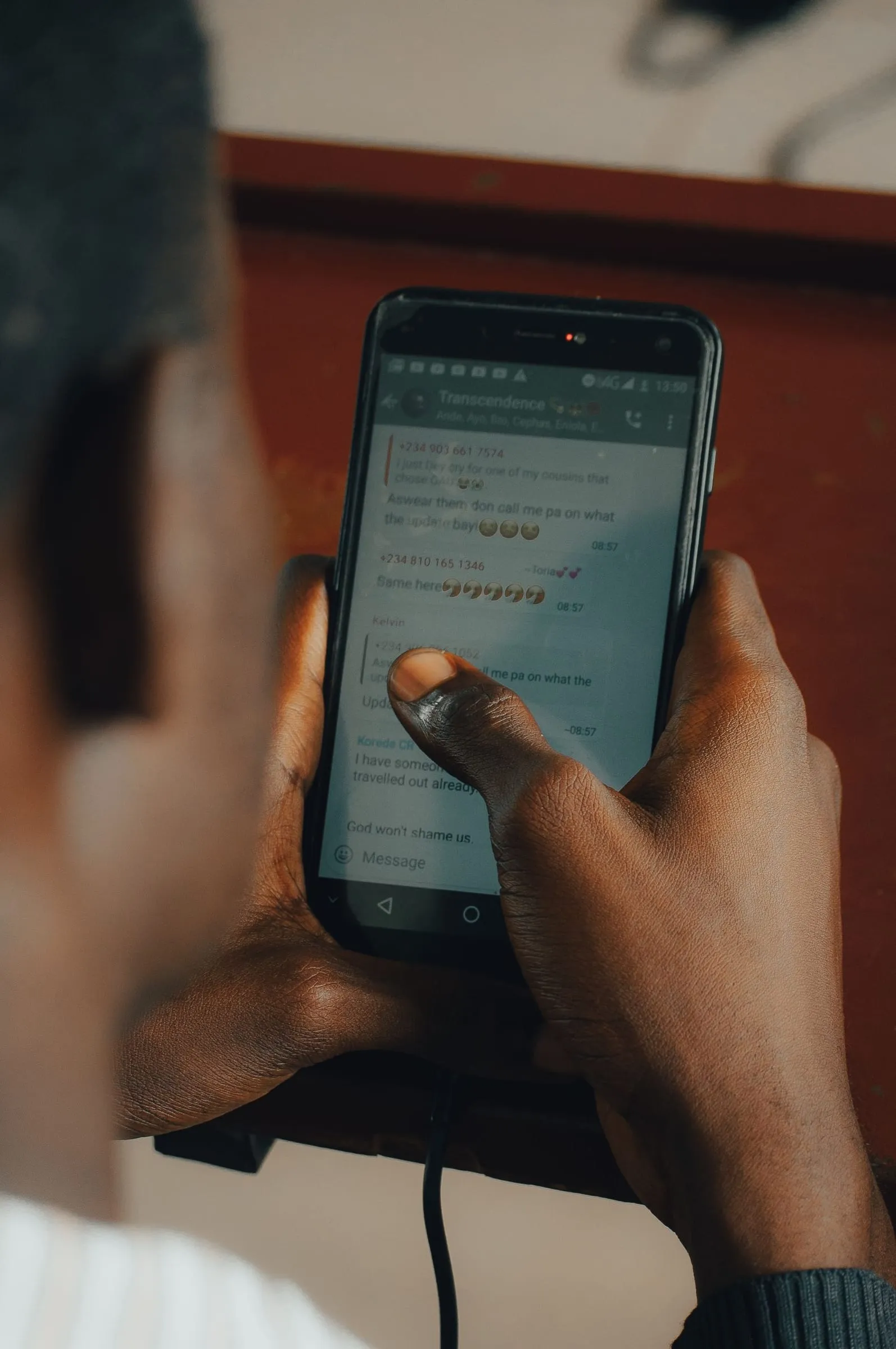
A period, an ellipsis, a bright emoji, or a very long message can feel meaningful when you are still learning someone’s style. Text preserves the marks on the screen but loses voice, facial expression, and the quick repair that happens when a spoken comment lands badly. Treat tone as a clue, then check what the person actually means.
What text can tell you, and what it cannot settle
Clues worth noticing
- Whether the person usually gives you something to respond to
- What happens when you state a preference
- Whether interest and effort move in both directions
- How they handle a misunderstanding
Poor evidence by itself
- One message without an emoji
- A full stop at the end of a sentence
- A slower reply on one day
- A brief answer during a busy moment
Why tiny signals take up so much attention
Early dating leaves plenty of room for uncertainty, so the mind looks for small pieces of evidence. A text can be reread in a way a spoken sentence cannot. A mark that would disappear in an established relationship may feel like a sudden change when you have only shared a few dates or conversations.
The same detail can have several ordinary explanations. Complete sentences may reflect care, formality, or a habit the person uses with everyone. Several short messages may mean excitement, hurry, or a different texting rhythm. Repeated behavior gives these details more weight.
Trying to copy every punctuation mark can make you sound less like yourself. You do not need to remove every full stop, add unfamiliar emojis, or hide warmth to manage someone’s reaction. A voice you can keep using is more useful than perfect calibration.
If one line keeps pulling you back, widen the frame. What has this person done in the last few conversations?
Common tone traps, with a better question for each
A period
"The full stop means they are annoyed"
Read the rest of the message first. The full stop may be their normal punctuation. You can answer in your usual voice instead of matching a mood you have only imagined.
An ellipsis
"The dots mean something is wrong"
Dots can mark hesitation, a pause, a writing habit, or a dramatic style. Read the words around them. If the uncertainty affects a plan, ask about the plan.
An emoji
"The heart means this is serious"
A heart can add warmth without defining the relationship. Let it be a pleasant detail. Use consistency and direct conversations for bigger decisions.
A long message
"We must be close because they wrote so much"
A long message may show enthusiasm or an open evening. It does not answer questions about readiness, exclusivity, or compatibility. Give the connection time to develop in more than one format.
Read tone without guessing what is in someone’s head
Write down the fact
Use a neutral sentence such as "They answered two hours later and used fewer words." Leave "They are losing interest" for later, if the wider pattern supports it.
Look at the pattern
Are they still asking questions, confirming plans, and following through? One unusual message says less than a repeated drop in attention or reliability.
Ask the practical question
Try: "I may be reading this wrong. Are we still on for Thursday?" A practical question works better than a silent test or a deliberately cold reply.
Respond to what you need
Ask if you need clarity. Let a small emoji question go if you only want reassurance. If the wider pattern is one-sided, protect your time instead of spending more effort on interpretation.
You can notice tone without making it a daily investigation.
Before you draw a conclusion from a message
- I can separate the words on the screen from my interpretation.
- I have considered the person’s usual style and current situation.
- I am looking at repeated behavior rather than one mark.
- I can ask directly instead of setting a hidden test.
- My reply sounds like me, not like a way to provoke a reaction.
Tone matters because communication matters. Read the whole pattern, ask when the answer affects your choice, and leave enough room for the person to say what they mean.